Avoid these mistakes when growing clivias, and you are guaranteed flowers every year
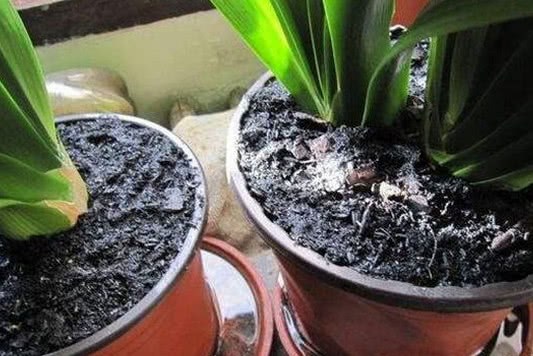
Clivia is a noble flower of high taste. Its Latin name carries the meaning of wealth, nobility, beauty and magnificence. But many flower lovers have asked how the potted clivias they grow at home should be planted correctly. Below I briefly describe the four mistakes often made and to be avoided when growing clivias! Do not love to sprinkle water too much. Beginners are all eager for their flowers to grow and want to sprinkle water as soon as they see the plant, afraid that water will not be enough for the orchid to take in. I know this is love, but it is wrong; it only needs a moderate amount of water, and sometimes it also needs to dry out for a while. If you think you have given enough water but the plant leaves show signs of dehydration, that is: the roots are damaged. Excessive wind (wind drying) means the air humidity is insufficient. Many beginners kill plants through water damage. Do not use too much fertilizer
Fertilizer can promote the growth, strengthening and flowering of the orchid plant, but do not think that once fertilizer is sprinkled on it will produce results according to your wishes. The effectiveness of fertilizer depends on cooperation with other conditions and must also be used appropriately. In short, use fertilizer on the light side, otherwise ask someone with experience to guide you. Many beginners kill plants through fertilizer damage caused by using too much fertilizer. Planting the flower too deep is also a common problem for beginners, who think that only by burying the crown into the growing medium can it absorb nutrients. (Some also plant it deeper because the plant is unstable, so that the plant body can stand firm.) These are all wrong. The crown of the orchid plant should be exposed at the pot surface to avoid stuffy rot and wet rot of new shoots.
Do not use a large pot to plant a small plant. The harm of using too large a pot is that the larger the pot, the more growing medium inside. If too little water is sprinkled, the outside is wet but the inside is not, and the roots cannot get water. If too much water is sprinkled, the outside is dry but the inside is not, and the growing medium easily rots, and the roots are damaged along with it. You think that more growing medium means more nutrients. Wrong! Do not plant it too deep. Planting the flower too deep is also a common problem for beginners, who think that only by burying the crown into the growing medium can it absorb nutrients. (Some also plant it deeper because the plant is unstable, so that the plant body can stand firm.) These are all wrong. The crown of the orchid plant should be exposed at the pot surface to avoid stuffy rot and wet rot of new shoots. When first potting an orchid plant that stands unsteadily, fix it with string or a support. Flowers are the essence of nature, and clivia is a rare beauty among the myriad flowers. The large-flowered clivia has a dignified and graceful plant shape, verdant and upright leaves, large and brilliantly colored flowers, and bright red fruit. Leaves, flowers and fruit are all beautiful, and it is known as viewing flowers for one season, viewing fruit for three seasons, and viewing leaves all four seasons. Its flowering period lasts as long as forty to fifty days, and it can bloom in early spring, making it an important festival flower.