Add some flowering fertilizer to the kalanchoe pot, and it will bloom again and again, with as many as 100 flowers at a time
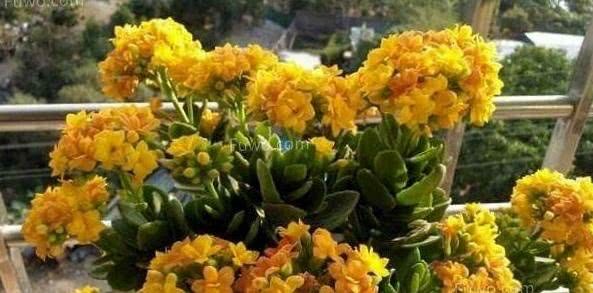
Kalanchoe, also known as shouxing flower, dwarf kalanchoe, and Christmas kalanchoe, is a perennial evergreen succulent flowering plant in the Crassulaceae family. Its natural flowering period usually begins in late December and can last until early May of the following year, which is how it got the name "longevity flower" (kalanchoe). But with proper care, it can bloom in summer too.
If you want to grow kalanchoe well, fertilizing is very important. Gardeners can make their own "flowering fertilizer" for kalanchoe. After using it, the kalanchoe blooms again and again, bursting with flowers every time.
The method is as follows:
Nitrogen fertilizer is the nutrient flowers need most during their growing period. If nitrogen fertilizer is lacking, plants will grow slowly, and their leaves will be small and sparse!
1. Buy some soybean cake or peanut bran from an oil mill at the vegetable market, break it into small pieces by hand, then crush it into bits with a tool and put it into a plastic bottle, filling it to half the height of the bottle. Add an appropriate amount of orange peel to keep the flower fertilizer from smelling bad, then add an appropriate amount of water. After about 40 days, when the fertilizer water in the plastic bottle turns grayish-black, it is considered successfully fermented.
To use it, take the cake fertilizer water, dilute it with 20 times its volume of clean water, and pour it along the edge of the pot. Use it 3 times a month. The leaves that grow this way are large, green, and so dense that no light gets through!
Make your own flowering fertilizer and let the flowers produce 100 blooms!
For a fertilizer that promotes blooming, kalanchoe likes phosphorus and potassium fertilizer best. The method of making it is as follows:
Collect leftover fish bones, chicken bones, or pork bones. First soak them in water for 24 hours to wash away the salt on the bones, then put them in a pressure cooker and boil them in clean water for 20 minutes to remove the salt inside the bones and the fat on the surface. Then put them in a cool, shaded place to dry, crush them with a hammer or other tool, and make them into bone meal.
The method of use is as follows:
Dig a small hole at the edge of the potting soil, bury a little bone meal in it, then fill the soil back in. Use it once every 10 days before the flowering period. The flowers will be more numerous and larger, and the colors will become more vivid!
If you want kalanchoe to bloom multiple times, and to bloom abundantly and vividly, we also need to do the following
1. Kalanchoe generally likes to grow in loose, breathable soil. Leaf mold, garden topsoil, and sand can be mixed in proportion as a growing medium, or some perlite can be added. When planting, add some compound fertilizer as a base fertilizer.
2. In the early stage of vigorous growth, pay attention to pinching the growing tips in time to encourage more branching, so the plant shape becomes full and the ornamental effect improves. After the flowers fade, promptly cut off the spent flowers to avoid consuming nutrients and affecting the number of flowers in the next bloom.
3. During the growing period, aside from needing shade in midsummer, when a 60% light transmission rate should be maintained, the pot needs to be turned frequently to adjust the light-receiving position, so the plant receives even light and grows symmetrically in all directions
4. To force flowering, we can put a black plastic bag over it to provide shade and encourage bud formation. The daily dark period should be more than 16 hours, with the dark period from 17:30 to 8:30 the next day