Baby accidentally eats this plant and is rushed to hospital - do you have it at home too?
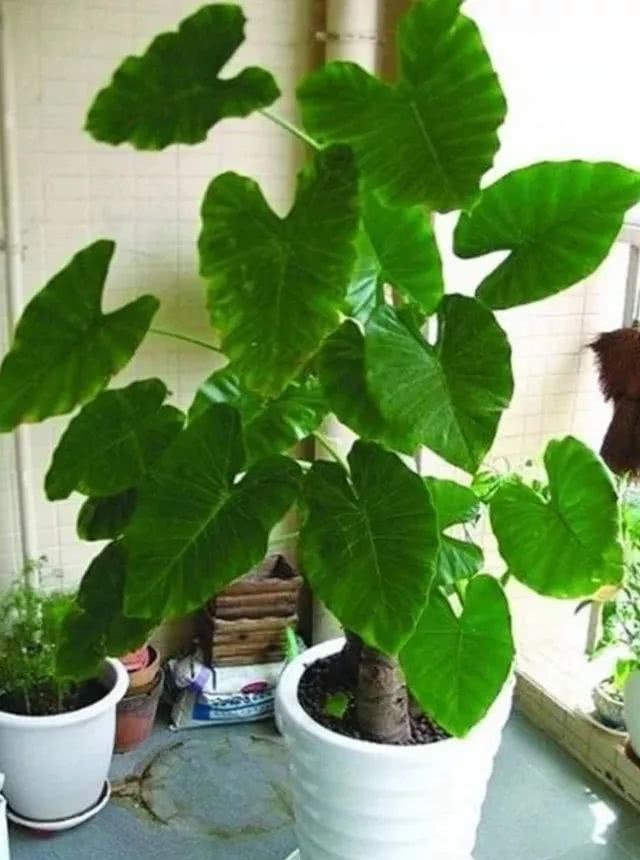
Recently a message appeared on Weibo: Does anyone know what this is? A colleague's child was playing and ate this leaf, foaming at the mouth, and is now being resuscitated in the hospital. Families growing this kind of plant should pay attention, and absolutely do not let children eat it by mistake!
A photo is attached - it is unmistakably Alocasia macrorrhizos, commonly known as giant taro, and it is highly toxic!
In fact, Alocasia macrorrhizos is very common in daily life as an ornamental green plant. Many hotels, offices and homes place a pot of it, and as an ornamental it is no problem. But the sap of Alocasia macrorrhizos contains a large amount of calcium oxalate needle crystals and toxic proteins, which are strongly irritating. Not only can it not be eaten, but even touching it can cause swelling and pain of the skin and mucous membranes. If swallowed directly, the respiratory tract may suffocate due to irritation, and contact with the eyes may cause severe conjunctivitis. So if plant lovers have children or pets at home, please choose this plant carefully to avoid unnecessary harm.
In fact, besides Alocasia macrorrhizos, there are many very common plants in daily life that contain toxic substances, such as Dieffenbachia seguine, Monstera deliciosa, Zantedeschia aethiopica, Caladium bicolor, Narcissus, Hippeastrum, Convallaria majalis, Hyacinthus orientalis, Tulipa, Nerium oleander, Hydrangea and Rhododendron. The flowers, leaves and sap of these plants all contain harmful substances to a certain degree. We do not recommend that families with little ones keep these plants, so as to avoid children eating or touching them by mistake.
Of course, there is no need to be terrified by this. As long as you pay attention to placing them in a ventilated spot that children and pets cannot reach, wash your hands as soon as possible after contact with the sap, and do not put them indoors, that is enough.