Simple Tips: How to Tell If a Plant Has Root Rot
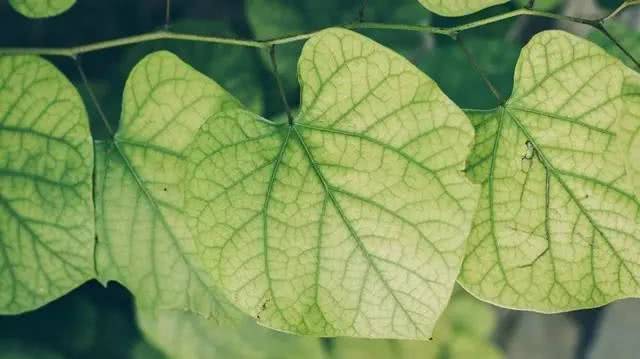
Potted flowers and trees are prone to root rot due to uncontrolled watering, improper fertilizing, poor management and other reasons, destroying flowers and trees carefully cultivated for years or even decades, which is truly heartbreaking.
If an accurate diagnosis can be made in the early and middle stages of root rot and effective measures are taken, the death of some flowers and trees can be avoided.
HOW TO TELL IF A PLANT HAS ROOT ROT
1. Check the potting soil
In summer and autumn, for a flower or tree growing normally, water it thoroughly once a day in fine weather, then check the potting soil at the same time the next day. If the potting soil has dried out and turned slightly white, the root system is normal; if the potting soil has not dried out and turned white but is still damp, it means the plant's roots have already begun to rot; if after 2 to 3 days it is still as moist as before, it means most of the plant's root system has already rotted.
2. Check the leaf color
If you have several pots of the same kind of flower or tree, put them together. If you find that one of the plants has leaves that have lost their green color and luster and turned grayish-white, or the plant's leaves are wilted, or a large number of lower leaves turn yellow and drop outside the normal leaf-shedding season, it means the plant's fine feeding roots have rotted due to waterlogging, fertilizing, or a heavy watering after excessive drought.
3. Check the leaf shape
If the leaves of a potted flower or tree become longitudinally wrinkled and deformed, this also indicates that the plant's root system has rotted. This mainly occurs in flower species with fleshy roots, such as the bird of paradise (Strelitzia) and the clivia (Clivia miniata). Because the lower feeding roots have rotted, the parts of the leaves connected to them cannot get the water and nutrients they should, so those parts stop growing or even shrink, and growth becomes unsynchronized, causing longitudinal wrinkling and deformation of the leaves. Although this situation will not cause the plant's death, it will still affect the plant's normal growth and ornamental value.
4. Check the leaf tips
In some species of flowers and trees, after being grown for a period of time, the tips of the leaves become scorched and withered. There are two reasons for this.
First, because the root tips extend and press against the pot wall, watering under conditions of high air and soil temperature causes the nutrient-performing parts at the tips of the fleshy roots to be damaged and rot, so water and nutrients cannot be transported to the leaf tips, triggering necrosis of the leaf tip portion.
The other situation is that the pot is large and the plant small, and the potting soil remains waterlogged for a long time, causing the root tips to rot and lose their nutrient function. If yellow-brown patches appear in the middle or at the edges of the leaves, the possibility of disease should also be considered.
5. By feel
For some flowers and trees or tree stumps, such as five-needle pine, cypress species, Buddhist pine (Podocarpus macrophyllus), orchids, camellias and so on, when you notice an abnormal leaf color, you can gently stroke the leaves with your hand and judge by feel.
For a plant whose leaves are lifeless due to root rot, the feeling at your fingertips is dry and warm, lacking the moist, cool feel of normal leaves. From this you can conclude that its root system has already rotted and that it is on the verge of death.
REMEDIAL MEASURES AFTER ROOT ROT
Once you have determined that a plant has root rot,the following rescue measures should be taken:Take the plant out of the pot, pick away the surrounding old soil, find the rotted root parts, cut off the rotted roots from their base with scissors, then disinfect the wounds with a 0.1% potassium permanganate solution, or apply clean plant ash to the wounds, and then repot it or plant it in the ground.
When potting up or planting in the ground, the wounds and the severely damaged parts of the root system should be surrounded and filled with clean damp sand, then covered with clean growing soil, to encourage new roots to sprout from the wounds.
While repotting, the branches and leaves should be heavily pruned; sometimes, to ensure survival, 80% to 90% of the branches and leaves must be cut away.
While the plant is recovering its growth, keep the potting soil moist, frequently mist the dry branches, stop fertilizing entirely, and do not let the potting soil be rained on, to prevent root rot from occurring again.