How do you water roses? These practical tips are a must-know
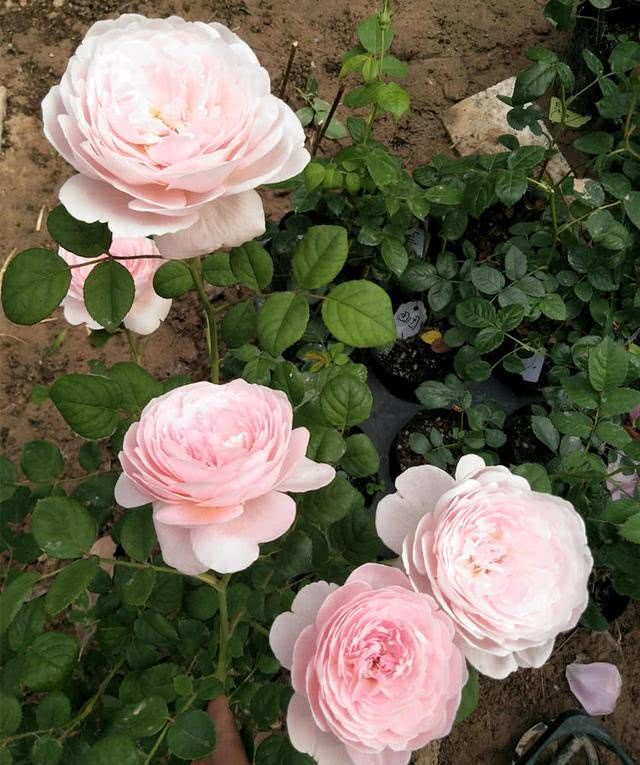
Many people who grow roses ask all day long: when should I water the roses? How often should I water them? What is the correct way to water? Indeed, the act of watering seems simple, but there is a lot of knowledge behind it. Today, we will share these practical tips on watering roses with everyone. Fellow flower lovers, you should take the time to learn them well too.
Generally, flower lovers know that roses should only be watered after the potting soil has dried out, but what exactly counts as "dried out"? Below are some of my experiences to share.
1. Observe the appearance of the rose's branches and leaves
Rose leaves that are mildly short of water will droop slightly. At this point, flower lovers can go right ahead and water the roses generously. When you water, water thoroughly, not just halfway. If the roses need extra nutrients, you can add liquid fertilizer along with the water, usually at a ratio of 500:1 water to fertilizer. In this way, the roses can both take in water and gain nutrients, and the branches and leaves will regain their vitality.
2. A small bamboo skewer does a big job
If flower lovers cannot judge it, they can insert a small bamboo skewer or a disposable chopstick into the rose pot. When you want to water, pull it out and take a look. If the bamboo skewer or chopstick is still moist, there is no need to water; if it is dry, then you can water. This method never fails.
In addition, when flower lovers water roses, they like to water along the edge of the pot. That way, before the water has time to seep down, it has already run off at the edge, so the roses do not really get much water, and over time this causes poor growth in the roses. Therefore, it is suggested that when flower lovers normally plant roses, they only fill the soil to eighty percent. That way, when watering the roses, the rim of the pot can hold the water that has not yet seeped through, allowing the roses to absorb it slowly.
First, the water flow should be gentle, to avoid washing up the potting soil; soil clinging to the leaves can easily cause the leaves to drop off;
Second, do not concentrate the watering at one point every time; make sure the soil receives water evenly, so that the rose root system grows evenly and healthily.
Third, if you see cracked fissures appear in the potting soil
you should first loosen the soil for the roses and then water; otherwise the water you pour will quickly drain away along the cracks, and the soil will not actually get enough water. Fertilizing is the same as usual: you can first loosen the soil, then use organic nutrient solution, diluted 500 times with water, and pour it around the roots for the best absorption.
Fourth, spraying water on rose leaves cannot completely replace watering, because the leaves are not the main organ through which roses absorb water. If the roots do not get enough water for a long time, the roses will gradually wither as well.