3 major fertilizing methods for growing flowers: plants grow vigorously and bloom continuously
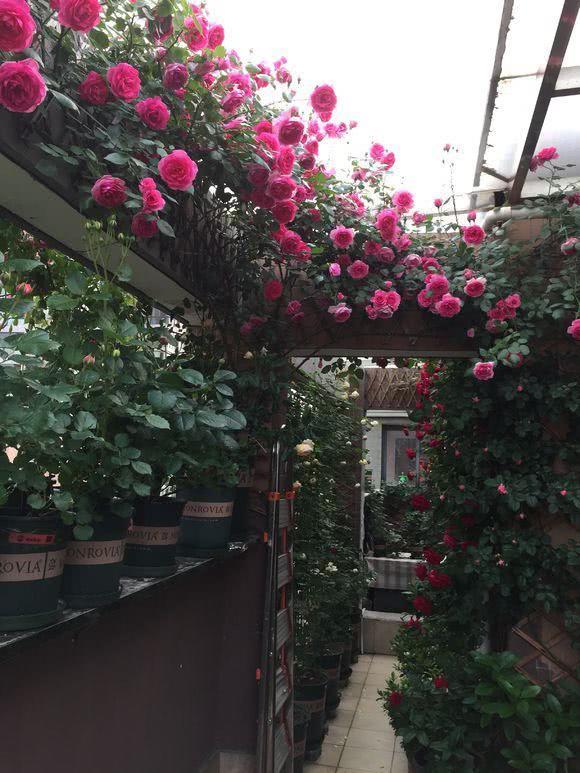
Many flower lovers say they grow flowers without using anything and they still bloom. Actually, that is not the case. It is because the soil itself contains nutrients, or the flowers are planted in the ground, where fertilizer comes from fallen leaves, dry grass, and so on. For home potted plants, regular fertilizing is still needed. Otherwise, once the nutrient elements in the soil are used up, the flowers will grow smaller and smaller.
For flowers to grow, they need an organic nutrient solution rich in and balanced in nitrogen, phosphorus, and potassium. Different nutrient elements play different roles. For example, nitrogen fertilizer promotes growth, phosphorus fertilizer promotes flowering, and potassium fertilizer promotes root development and fruiting. Only when all 3 elements are present can more beautiful flowers bloom.
What fertilizers can be used?
Base fertilizer
For newly bought flowers, you can use chicken, duck, or fish manure, or fermented pine bark, fruit peels, and so on, placed at the bottom of the flower pot as base fertilizer. It will slowly release nutrients and promote the growth of the plant's root system. However, note that the base fertilizer must not directly touch the flower's roots. Either mix it into the nutrient soil, or put it at the bottom with a layer of nutrient soil separating it.
Liquid fertilizer
You can use an ecologically safe organic fertilizer purely fermented from plants, rich in and balanced in nitrogen, phosphorus, and potassium, with various organic matter, minerals, and amino acids added, to promote rapid plant growth. Use it once a week, diluted 500 times.
Solid fertilizer
It is usually solid. You can dig a hole in the flower pot and bury a few granules, or directly sprinkle them into the flower pot, and it can also release nutrients.
Organic fertilizer: Homemade fertilizers are generally organic fertilizers, such as decomposed rice-washing water, fruit peels, kitchen waste, okara, and so on.
Homemade organic fertilizer must first be decomposed. The method is to put the materials with water in a sunny place and seal them for about 2 months, then mix the well-decomposed fertilizer into the soil, or take the upper clear liquid, dilute it with water, and use it to water the flowers.
However, it is still recommended to use ready-made organic fertilizer. It is rich in nitrogen, phosphorus, and potassium, clean and safe, with no added chemical ingredients. It promotes rapid plant growth, more budding, and vigorous flowering. Most importantly, it is clean and saves trouble.
How to fertilize
Apply thin fertilizer frequently; better dilute than concentrated
What should you do if the fertilizer is too concentrated?
You can prepare a basin of water and place the flower pot in the water so that moisture enters the flower pot from the bottom to dilute the fertilizer.
If the fertilizer is not well fermented and is relatively concentrated, then repot immediately, rinse the roots, and at the same time apply some carbendazim to the roots to sterilize and disinfect.