Tips for picking a watermelon, stop relying only on tapping it and listening to the sound
Watermelons are flooding the market, juicy and sweet, cooling and thirst-quenching, one of the most essential fruits of summer. Cart after cart of emerald, dewy large watermelons lie there round and plump, waiting for people to pick them. Everything has good and bad, superior and inferior, and watermelons are the same
There are five great secrets to picking a watermelon. As long as you master these, you will have no worries when buying a watermelon. Come with me today and take a look.
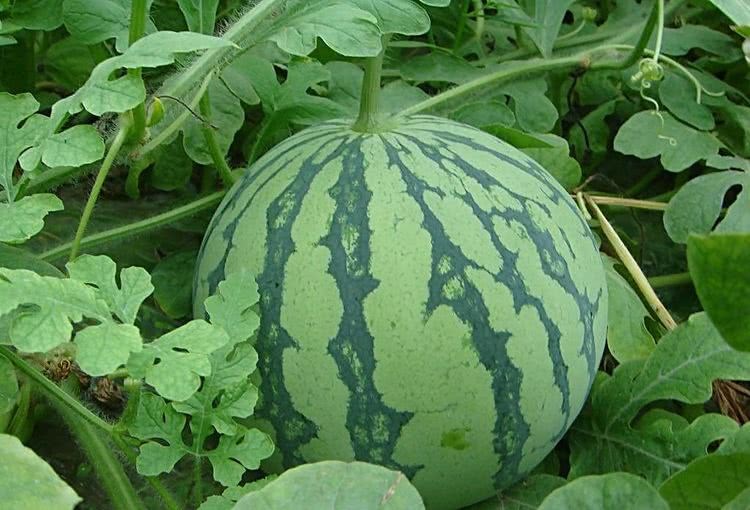
First: look at the color of the watermelon. In summer there are many varieties of watermelon. First look at its color and stripes. The color should be emerald green with a slight hint of yellow, the stripes clear, and the striped pattern of the watermelon is best if it is a bit spread out. This kind of watermelon has received plenty of sunlight, so its sweetness is sure to reach the mark. Conversely, a melon grown on the shady side looks white, and such a melon is unripe and not sweet. Look at the tail end of the watermelon where it was cut from the vine; ideally it should be fresh with a slight film of moisture, which means it was just picked and is the freshest.
Second: look at the shape of the watermelon. When buying and choosing a watermelon, try to pick one with smooth skin and an even shape; round or oval watermelons are especially better. Conversely, flat melons, pointed melons, big-bellied melons, and those with ridges or dents are unhealthy melons, either inferior fruit from the growing process or formed because the melon did not get good pollination, so it is best not to buy them.
Third: listen to the sound. Most people probably know this method, but some are still not accurate enough. When we choose a watermelon, tap the rind lightly with the back of a finger. If the sound is crisp and the hand holding the watermelon feels a vibration, then it is fully ripe and will be fairly sweet. Conversely, if the sound is dull and not crisp enough, it is best not to pick it for now.
Fourth: weigh it in your hand. For watermelons of the same variety and about the same size, weigh it in your hand when choosing; one that is too heavy or too light is not very good. A melon that is too light means it is overripe and has lost too much moisture, and the inside may be hollow; a melon that is too heavy means it is not yet fully ripe and is not suitable to buy. Choose one of even weight.
Fifth: feel the belly button ring. The last step in buying and choosing a watermelon is to feel the watermelon's belly button ring. Generally, a watermelon that has ripened well has a round navel ring that is slightly sunken and yellowish in color; this kind of melon has grown for a fairly full period of time and also tastes sweet. Conversely, a watermelon with a small navel ring proves it is not yet ripe. Once you have mastered the above five methods, you will not be cheated when buying watermelons all summer long, you will feel confident and buy with peace of mind.