The real reasons flowers turn yellow and wither - after seeing these few pictures, you will understand
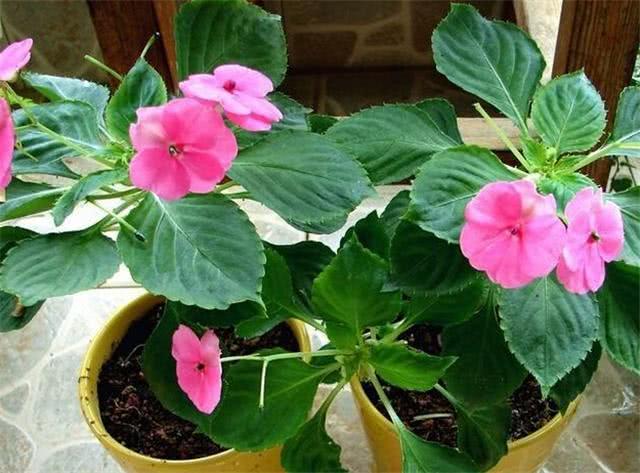
When many novice flower growers first start growing flowers, whatever they plant dies, and the flowers easily turn yellow and wither. A big reason is that the growers do not care enough for the flowers. As long as you pay attention to daily care and maintenance and keep sufficient sunlight, the flowers can also grow healthier.
Reasons flowers turn yellow and wither
Soil lacks nutrients
1. Soil lacks nitrogen fertilizer
A lack of nutrients such as nitrogen fertilizer in the soil will cause flowers to turn yellow and wither. When phosphorus is lacking, flowers will not bloom for a long time. A lack of potassium will cause flowers to drop a large number of leaves and die.
2. Excessive fertilization
Excessive fertilization and the use of undecomposed organic fertilizer can cause plants to scorch. Soil that is too alkaline can make acid-loving plants turn yellow and drop leaves, and water and soil that are too acidic can weaken alkaline-loving plants and cause their leaves to scorch.
3. Leaf spot disease
Leaf spot disease is a common leaf disease of bulbous plants such as begonias. Flowering plants such as white orchid (Michelia alba), fishtail palm (Caryota), canna, crape myrtle, osmanthus and rhododendron all develop different spots, commonly including angular spots, streak spots and round spots, in colors such as gray, black and brown, causing leaves to turn yellow and drop.
4. Powdery mildew
Powdery mildew mostly harms the young shoots, young buds and flower buds of flowering plants. In the early stage of the disease, plants such as roses, rugosa roses, Chinese roses and plum blossoms develop chlorotic spots on the affected parts, which then gradually form white patches, as if covered with a layer of white powder, and later gradually turn gray. The plant gradually becomes smaller, the young shoots bend, and the leaf surface becomes uneven. Many flowers fail to open and the flowers become deformed. This causes flowers to dry up and leaves to curl, and the plant dies. Phosphorus and potassium fertilizer can be applied, and spraying water on the leaves should be stopped.
5. Anthracnose
Anthracnose mainly harms leaves and infects plant stems, young shoots, flower buds and fruits. Plants such as orchids, clivia, pansy, cyclamen, white orchid (Michelia alba), magnolia and hydrangea are very susceptible. The disease can start from the leaf tip and leaf edges. If round spots appear on the leaf surface, the edges of the lesions are mostly purplish brown or dark brown. The center is light brown and grayish white. In the later stage, black dots appear on the lesions, which may show concentric rings. When the disease occurs, it can cause leaves to die. Ventilation and light should be maintained, and spraying water on the leaves should be stopped.
6. Gray mold
Gray mold is very harmful to leaves, stems, flowers and fruits. Many plants such as cyclamen, peony, aster and camellia are often damaged by gray mold. In the early stage of the disease, water-soaked spots appear, which then gradually expand into brown and purplish brown lesions, with gray fuzz appearing. When the disease occurs, it can cause the entire plant to die.
7. Bacterial soft rot
Bacteria infect roots and stems and nutrient-storing parts such as corms, bulbs and tuberous roots, damaging flowers such as calla lily, lily, iris, cyclamen, hyacinth, clivia and dahlia. It makes the affected parts water-soaked, then brown, slippery and soft-rotted. Under high humidity, it harms the health of the flowers.
The above is an introduction to some of the reasons flowers wither. I believe the broad community of flower growers now has some understanding of the reasons flowers wither. Flowers turning yellow and withering is usually caused by pests and diseases. Be sure to supplement the nutrients the flowers lack, and water and fertilize the flowers, so the flowers can grow better!