How should common flower diseases be treated?
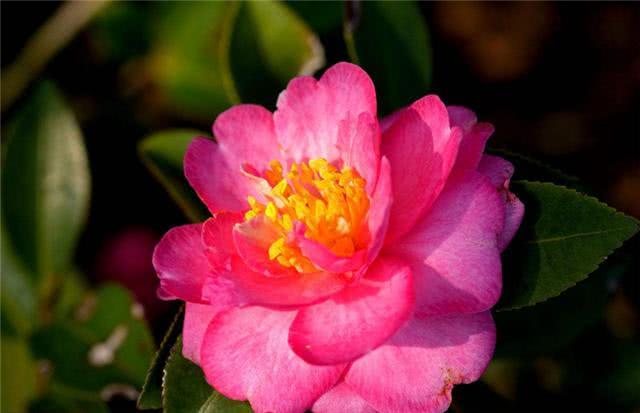
Many beginner flower growers find that when growing flowers, the plants develop yellowing and dropping leaves, and the flowers grow rather slowly, often failing to bloom, along with problems such as soil compaction. These diseases are closely related to watering, light, ventilation and fertilizing, and need to be dealt with promptly so the flowers can bloom more beautifully!
How to deal with common flower diseases
1. Spots and blotches appearing on the leaf surface
Spots and blotches on flower leaves easily cause the leaf surface to wrinkle and turn brown, usually caused by lack of water; if the spotted area softens and turns dark brown, it may be caused by water that is too cold, water splashed on the leaves, or damage from chemicals. If the spots are moist with blisters, or dry and sunken, this is caused by pests piercing and sucking.
2. Leaf drop appearing
Leaves withering and dropping without fading in color is because the plant has suffered a sudden shock; generally a sudden rise or fall in temperature, cold wind, or dry soil, and woody plants in particular are more prone to leaf drop.
3. Brown spots appearing, with small and yellow top leaves
Plants that love acidic soil are relatively sensitive to calcium; in northern regions, watering with hard water containing calcium and using potting soil with relatively high calcium content easily leads to yellowing leaves.
4. Leaves turning yellow and dropping
It is quite normal for old leaves to turn yellow and drop, but a large number of leaves yellowing and dropping is caused by too much watering; a sudden drop or rise in indoor temperature can also easily cause leaf drop.
5. Leaves curling and dropping
Leaf drop is mainly caused by too low a temperature, spraying water on the top, or cold wind; in summer, too high a temperature can also easily cause leaves to curl and drop.
6. Failure to bloom
If the plant has grown to a certain size but does not bloom, it may be because the light is too weak, or too much nitrogen fertilizer was applied, the air is relatively dry, pests and diseases are present, or the repotting was improper and the roots have insufficient nutrients, so the flowers do not bloom.
Fellow flower growers, if flowers develop yellowing leaves, leaf drop and so on, or pests and brown spots on the leaves, affecting the growth of the plants, it may all be caused by improper watering and fertilizing. When caring for flowers, you need to provide the plants with sufficient sunlight, pay attention to watering and fertilizing, and treat the plants' conditions according to the symptoms, so the flowers can be healthier.