Grow this flower in a pot on the balcony; it is prettier than hydrangea and easier to care for, and mosquitoes and bugs dare not come near.
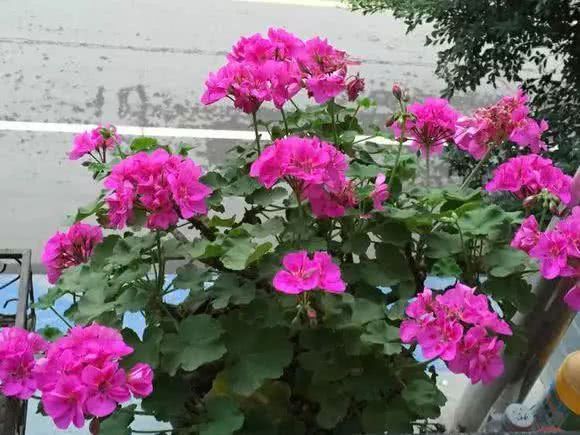
Pelargonium (geranium), also known as zonal geranium, mosquito-repellent plant and butterfly geranium, has a very eye-catching name, and its blooms are even more charming and lovely: pink flowers shy and delicate, bright red ones gaudy and alluring, purple ones charming; just a few plants make a dazzling riot of color. It is the first little charmer for courtyards and balconies.
Pelargonium is highly adaptable and fairly easy to grow; just pay attention to the following points when it comes to fertilizing:
During the flowering period, apply light fertilizer frequently.
The root system of pelargonium is rather shallow, so do not apply too much fertilizer at once, to avoid damaging the roots. Its flowering period is from May to July, so in advance you need to give it phosphorus and potassium fertilizer, such as monopotassium phosphate, once or twice a month, to supplement the nutrients needed for flowering. Do not fertilize during the flowering period; after the flowers fade, promptly prune off the spent flowers, then apply a multi-element organic fertilizer to replenish the nutrients consumed by flowering.
If you want more flowers, you also need to make sure the light is sufficient.
If light is insufficient for a long time, the plant's flowering stems tend to grow spindly, fewer buds are produced, and the flowers that do open are thin and weak, sparse and listless, not in good form.
Fertilizing during the growing period
During the growing period of pelargonium, applying a mixed fertilizer once or twice a month is enough. You can use your own fermented cake fertilizer or organic fertilizer, or use three or four granules of compound fertilizer dissolved in a bottle of water, applying light fertilizer frequently. Usually pay attention to pruning and pinching off the tips to prevent the flowering stems from growing spindly. In summer, be sure to pay attention to the air permeability of the soil in the flower pot, to avoid root rot caused by high humidity and high temperatures.
Frequent pruning and pinching off the tips can make pelargonium produce more side branches; with many side branches, there are many flowers, and it can bloom into a big ball of flowers, very beautiful.
Watering
When the weather is clear, water evaporates quickly and the potting soil dries quickly too, so you may need to water once every two or three days, and sometimes every day; if the air humidity is high, then reduce watering. When half of the potting soil is dry, just water thoroughly directly. The root system of pelargonium is generally rather shallow, all in the upper layer of the potting soil, so do not let it go without water for long either; lack of water will lead to dry leaves, yellow leaves and poor nutrition.
The pelargonium trimmings can also be used for cuttings; they root very easily and grow into a sturdy little seedling.
However, pelargonium has a special smell that many flower lovers do not like. Growing a pot of it on the balcony, this smell can have a pest-repellent effect.