A wild vegetable enters peak season in a month, can clear heat and can also be pickled as sauerkraut, don't miss it
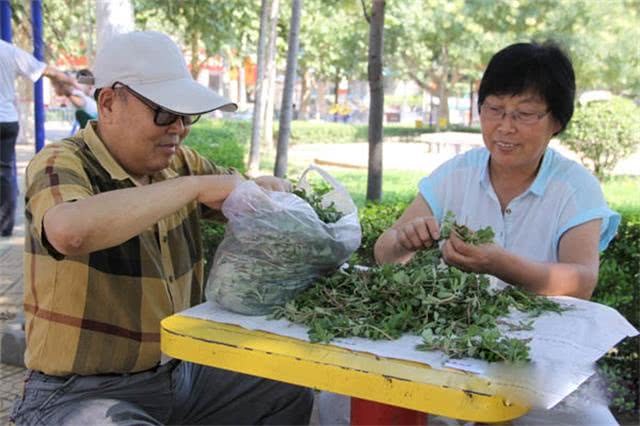
Start of Summer has passed, temperatures are rising, spring wild vegetables are already out of season, and next it's time to eat summer wild vegetables. Wait one more month, and a kind of summer wild vegetable enters its peak season. Farmers call it "grasshopper vegetable." It can clear heat and is very suitable for eating in summer. Grasshopper vegetable has a very high yield. Skilled farmwives pick large amounts of grasshopper vegetable in this season and soak it with vinegar to make sauerkraut. The flavor is unique, and it is a refreshing appetizer.
The scientific name of grasshopper vegetable is purslane (Portulaca oleracea), and since ancient times it has been a wild vegetable cherished by people. Wang Zengqi said in the essay "Wild Vegetables of My Hometown" that in ancient China, purslane and amaranth had the same status; both were once among the "six amaranths" and were important vegetables in ancient China. It was only later, for unknown reasons, that amaranth was improved and cultivated and became a common dish on people's dining tables, while purslane declined into a wild vegetable that not many people have eaten. The status of the two cannot be mentioned in the same breath.
Many wild vegetables in China are strongly regional. For example, Chinese toon is mostly from the north and rarely seen in the south, but purslane is not limited by region. It has strong adaptability, can grow in both the north and the south, and has tenacious vitality. The best season for purslane is June. At this time purslane is at its most tender, with juicy stems and leaves. After picking it, blanch it in boiling water, add some cold-dressing seasonings, and it is ready to eat. The taste is slightly sour, with a little bit of mucilage. People who have never eaten it may not be used to this texture the first time, but after eating it a few more times you will fall in love with it.
Purslane is cold in nature and has an excellent effect on clearing heat. It helps relieve symptoms of heat such as sore and swollen throat and cough due to lung heat. In addition, it also has a certain effect on gastrointestinal and anorectal diseases. In "Treatise on the Medicinal Nature" its effects are recorded: "Purslane stops abdominal pain and red toxin dysentery." Taken internally, it can treat dysentery. Used externally, that is, boiling it in water for fumigation and washing, it has a good effect on mild conditions such as hemorrhoids and anal fistula, and can dissipate blood and reduce swelling. However, pregnant women cannot use it, nor can they eat it.
Besides soaking purslane in vinegar to make it sour, it can also be cooked and dried in the sun to make dried vegetables. At Chinese New Year, people in Yangzhou must have a dish of purslane buns on the table, and they also call it "peace and joy vegetable buns." After eating too much rich food during the New Year, eating a peace and joy vegetable bun can make the stomach and intestines feel comfortable. Readers and friends, have you ever eaten purslane? It is really a pity not to eat it in summer.