Growing bowl lotus this way in summer makes blooming no longer difficult
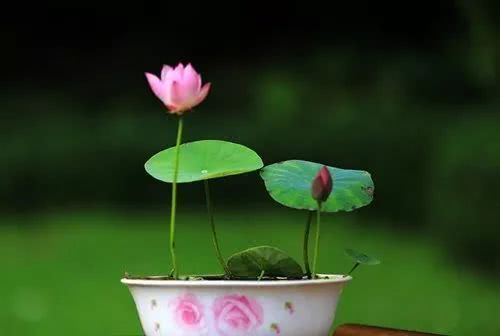
The weather has been warming up recently, and summer is about to arrive. This season is exactly the time to plant bowl lotus. Because many plants are afraid of strong light and high temperatures, they usually enter a dormant growth period in summer, but bowl lotus is different. It likes sunlight and high temperatures, so summer is also its most vigorous growing season.
Many flower enthusiasts must have had the experience of growing bowl lotus, but after growing it for a long time, the leaves do not grow very well, and you basically never see it bloom. Don't worry. Today, the editor will teach you step by step how to grow bowl lotus, so it will have lush leaves and bloom.
Seed treatment
The first and most critical step in growing bowl lotus is cracking the seed shell. This is because the shell of the lotus seed is hard and dense. After the seed is fully mature and dried, water and air cannot easily penetrate it, respiration is very slow, and it is in a state of forced dormancy. Therefore, before germinating the seeds, the shells must be cracked open.
One end of the lotus seed has a small pointed tip, and the other end is sunken in. We need to rub the sunken end against a rough surface or use pliers to crack a small opening. When handling it, be very careful to avoid pinching and damaging the embryo.
Soaking seeds to germinate
Find a container of suitable size and soak the treated seeds in warm water. Pay attention to the cleanliness and temperature of the water. Too high or too low is not good for seed germination. Change the water frequently, generally 2-3 times a day, and the most suitable water temperature is controlled at around 20-30 degrees.
Under this growing environment, the seeds generally sprout in about 3 days. If they still have not sprouted after a week, then they may be bad seeds, and the probability of germination is not high, so we can soak several more seeds.
After a few days, we can peel the shell of the sprouted lotus seed down to half of the lotus body. This makes it easier for the young sprout to emerge. Remember not to peel off all the shell.
Water cultivation for seedlings
After the seeds send out long sprouts, they should be grown in water at around 25°C for about five days. During the water cultivation process, keep the water layer about 10 cm deep and provide sufficient light. At this time, there is no need to keep changing the water, and do not turn it over with your hands. Flower enthusiasts who cannot keep their hands still should take note.
Wait until white, healthy roots grow from the base of the leaf stalk. This means the seedling cultivation is almost done, and you can proceed to the fourth step.
Putting young seedlings into mud
This is the most critical step in growing water lilies. Many flower enthusiasts think that water lilies can just be grown in water and do not need to grow in mud. This is wrong, and it is also an important reason why water lilies do not grow well and do not bloom.
For water lily growth, we generally choose pond mud as the best option. Find a larger container, put the pond mud in, then add water, and use a tool to break up the large chunks of pond mud. Place the lotus seeds in the container. The seeds must be completely buried in the pond mud, allowing the leaves to spread freely on the water surface. Bowl lotus likes light. Only by receiving sufficient light can it grow well.
At this time, light that is too strong is not suitable, as it will scald the young seedlings. Do not water too much either, so as to raise the water temperature and promote growth. When watering, be sure not to pour water in directly, as this will wash the lotus seeds loose. You can block with your hand and slowly pour along the wall of the container.
In the mud, the roots of the bowl lotus will grow rapidly. At this time, it is also excellent for viewing and can add a touch of greenery to the hot summer. As long as it is given sufficient light and care, the bowl lotus will bloom before long, so you can enjoy noble and pure lotus flowers at home too~
If you also like growing flowers, then follow us!