Grow houseplants like roses and gardenias this way, and getting them to fill the pot is no hard task.
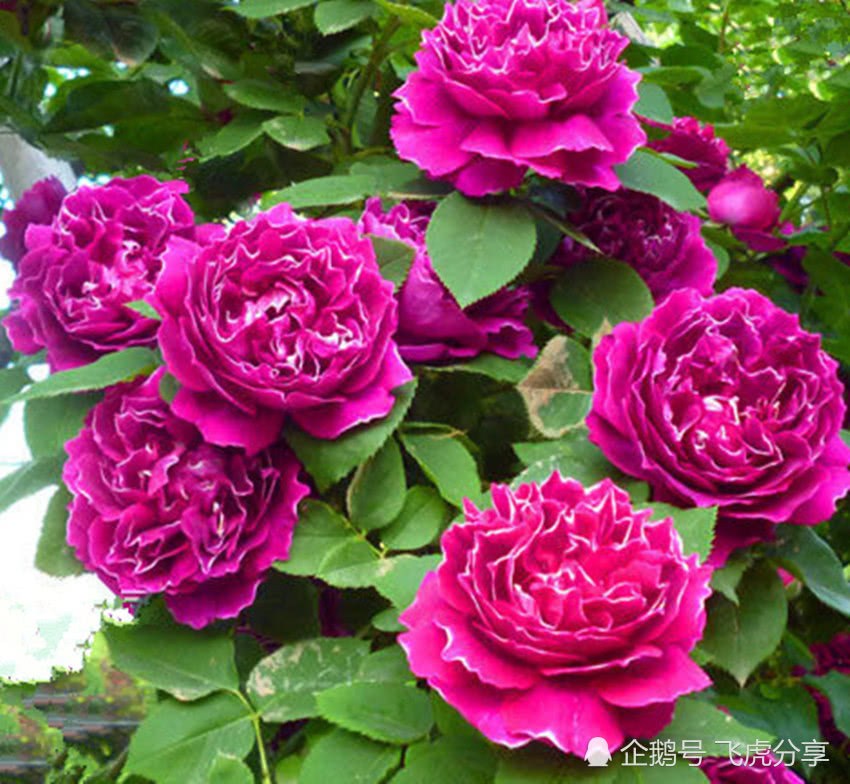
For growing flowers at home, you just need to master soil, water, fertilizer, and environment. Understanding the growth habits of the flowers you grow is very important. Since there are so many varieties of flowers, each with its own growth habits, as long as you care for them according to their habits, anyone can grow flowers until they fill the pot.
For houseplants like roses and gardenias, if you want to grow them well, you first need to understand the growth habits of each flower. Then, according to their growth habits, choose a fairly suitable spot and leave them there, without moving them around all day. For example, roses are sun-loving flowers, so they can simply be placed in a sunny spot; only with enough sun will they bloom more and more beautifully. Gardenias, for instance, like a warm, humid environment with plenty of light and good ventilation, but they dislike harsh direct sun and are suited to growing in slightly shaded places. Mastering flower habits is not difficult. If you do not know what habit the flower you are growing has, you can look it up online and then choose a suitable spot for it. Generally, shade-loving flowers are better placed indoors, while sun-loving flowers are better placed outdoors.
Once you understand the flower's habits, you should choose soil that suits it according to those habits, but most flowers like loose, breathable, fertile, slightly acidic soil. Apart from some flowers with special soil requirements, for growing flowers at home you can generally use humus soil or nutrient soil mixed with 20%-40% sand. When transplanting, you only need to apply an appropriate amount of organic fertilizer at the bottom or on the surface of the pot, and normally there is basically no need to fertilize separately; you can simply spray the leaves two or three times a month with foliar fertilizer or other nutrient solutions. For flowering plants like roses and gardenias, spray with potassium dihydrogen phosphate before flowering, and after flowering spray with foliar fertilizer or nutrient solution. This way, not only do the branches and leaves grow well, but the flowers also bloom more abundantly and larger.
Watering flowers is also a very important point. No one can give a definitive answer on how much to water; it needs to be based on the flower's habits, whether it likes moisture or is drought-tolerant. Moisture-loving flowers should keep the potting soil moist but not waterlogged, while drought-tolerant flowers should keep the potting soil slightly moist but not dry. You also need to decide when to water according to the nature of the soil. For example, some soils are watered once every three days, while others can only be watered once every ten days. Therefore, watering requires each person to decide the frequency and amount based on the nature of the flowers they grow. In summary, for growing flowers at home, as long as you master the four key points of environment, soil, watering, and fertilizing, anyone can grow flowers well.