How to grow bamboo palm (Bambusa multiplex)? Detailed guide to growing methods and precautions
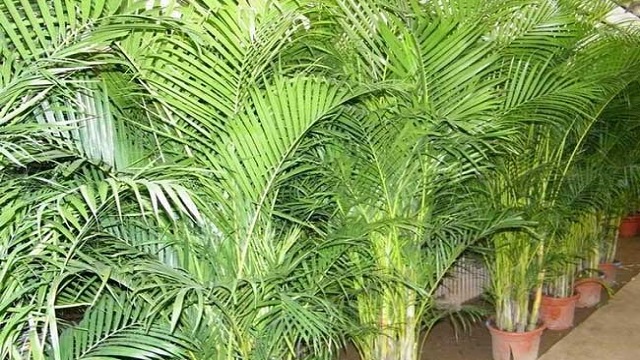
1. Temperature
This plant likes a warm environment. The other three seasons are fine, but in winter, if it is in a relatively northern area, its care will run into problems. So, to keep it from getting frostbitten, the winter temperature must be above zero degrees for it to make it through the winter safely.
2. Light
It likes light, but its shade tolerance is also fairly good. However, compared with the alternative, it grows better under good light conditions. Therefore, there is also the saying "it thrives when facing the sun." So, it is best to place it in a spot with scattered light. For example, a window with both good ventilation and good light. In winter, special attention is needed, as the sunlight at this time plays a role in its overwintering, and sufficient light must be provided.
3. Soil
It likes acidic soil, and neutral soil is also acceptable. Specifically, the pH value needs to be between 4.5 and 7. Other requirements include being loose, fertile, and easy to drain. You can use farmland soil mixed with some red soil, or humus soil, fine sand, etc. Do not use alkaline soil, and heavy clayey soil is also unsuitable. If the alkalinity is relatively strong, you can add some ferrous sulfate to neutralize it.
4. Water
It likes moisture but fears waterlogging. Right after planting, it needs one thorough watering. At other times, just keep it moist; do not let water accumulate. In summer, the frequency is relatively the highest, once every one to two days. Besides watering, you can also frequently spray a little water on its leaves.
5. Fertilizer
The main type is organic fertilizer; well-rotted manure and the like are all fine. They are mainly used as the base fertilizer, mixed into the potting soil. In addition, you can also apply nitrogen fertilizer once a month.