Characteristics, making methods and precautions of water-and-land bonsai
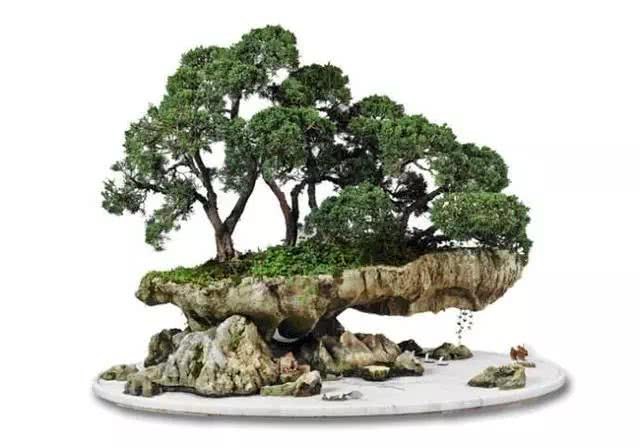
In Chinese culture, there are many distinctive art forms, and bonsai is one such art. Bonsai is in fact an artwork created by using plants and rocks as basic materials and arranging them in a pot. Among these, water-and-land bonsai is the main type. Next, I will explain the characteristics of water-and-land bonsai and the issues to watch out for when cultivating it.
1. Characteristics of water-and-land bonsai
Water-and-land bonsai is essentially a type of bonsai formed by combining tree bonsai with landscape bonsai, abbreviated as water-and-land bonsai. Water-and-land bonsai is an art form with Chinese characteristics, and it is famous mainly because the meanings it expresses are relatively broad and the scenery is very rich, perfectly expressing the feeling of nature.
2. Making materials
As for water-and-land bonsai, making it is a rather troublesome matter, and choosing the making materials is one of the things that needs attention. Water-and-land bonsai is mainly composed of a pot, plants, landscape rocks, plus other components. When choosing, the main considerations are the plants and the landscape components.
3. The issue of pot selection for water-and-land bonsai
When making water-and-land bonsai, the first thing to consider is the issue of pot selection, because the choice of pot will change the overall aesthetic, so this issue must be given attention. For the pot, mainly shallow stone pots are used; so-called shallow stone pots are landscape bonsai pots. Since there are many kinds of pots, including rectangular, round, square and so on, a good choice is mainly designed according to the overall shape.
When making water-and-land bonsai, the pot generally does not have a drainage hole cut at the bottom. Since most people use relatively shallow pots when making it, this eliminates the step of cutting a drainage hole; but if you use a relatively deep pot, then at this time you must cut a drainage hole in the dry land area where the trees are planted, so that it will not affect the appearance and will not let water accumulate in the pot.
4. Rock materials for water-and-land bonsai
For the rock materials used to make water-and-land bonsai, it is recommended to use the harder the material the better. Commonly used stones include the following: tortoise-vein stone, stalagmite stone, Xuan stone and so on. As for the shape of the selected rocks, there is no need for them to be too peculiar; you only need to choose ones whose surface texture has not been damaged and which have fewer sharp edges and corners.
5. Processing of trees for water-and-land bonsai
Among the selected materials, trees can be said to be a very important presence, and for the chosen trees, you can begin cultivating them when they are still relatively small, and they can then be shaped through certain later processing and treatment. There are many methods for processing trees, such as: pruning, wiring and so on. When processing different trees, the processing methods chosen are also different. For example, bamboo types, which are relatively aesthetically pleasing in appearance, only need appropriate pruning.