Answers to various problems in spider plant care, such as dry tips, yellow leaves, and the disappearance of golden edges
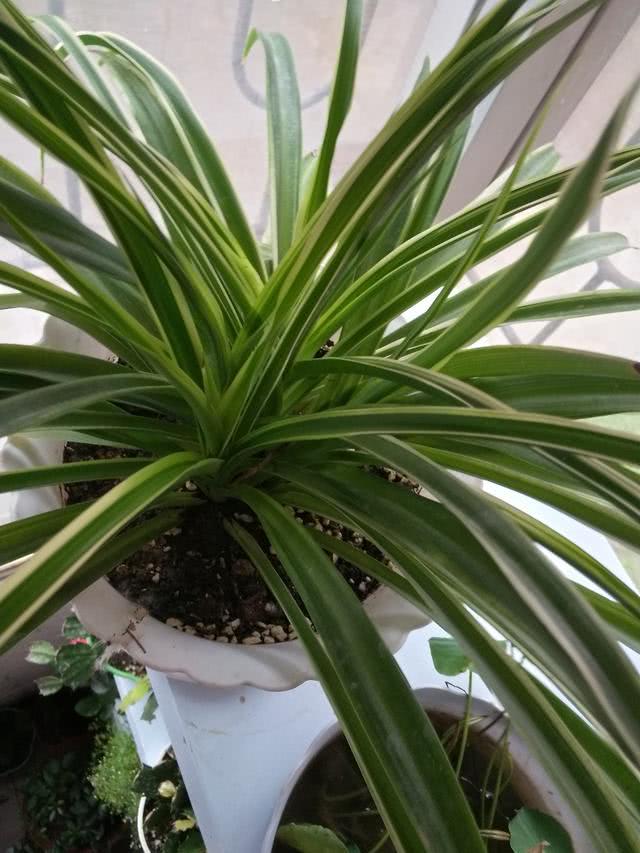
When spider plants are mentioned, some people will say, oh! Spider plants are the easiest to grow, they survive as long as you give them water, they flourish with a bit of sunlight, and one pot can turn into many pots! Yes, spider plants are known as a popular green plant, and their easy-care habits are deeply loved by many flower-growing enthusiasts. But not everyone can grow spider plants lush and thriving, and improper care can also lead to various problems such as dry tips and yellow leaves. Today we will solve them one by one.
Dry tips. Flower enthusiasts often encounter the problem of dry tips when growing spider plants. Spider plants are semi-shade plants and need relatively high air humidity during growth. If the air in your growing environment is relatively dry, it can easily cause dry tips on spider plants. To maintain appropriate air humidity and create a good growing environment for spider plants, you can often spray water on the plant and its surroundings to keep them moist. Keeping spider plants in a dark, low-light, unventilated environment for a long time can also cause dry tips. You should promptly cut off the dry tips and move the plant to a cool, ventilated place with scattered light for growing.
Yellow leaves. Excessive fertilizing or lack of fertilizer; strong direct sunlight or too much shade; excessive watering causing water accumulation in the pot; and overly compacted potting soil can all cause yellow leaves on spider plants. When yellow leaves are found, cut them off promptly. Spider plants like fertilizer, and a lack of fertilizer can easily cause yellow leaves due to nutrient deficiency. Sufficient nitrogen fertilizer can promote lush branches and leaves (golden-edge or silver-edge spider plants should be given nitrogen fertilizer reasonably), while phosphorus and potassium fertilizer can promote spider plants to produce more runners and grow small spider plants. But no matter which plant it is, fertilizing must not be excessive. It is generally recommended to apply thin fertilizer frequently to prevent over-fertilization from burning the roots and causing yellow leaves. If your spider plant is grown in the living room, in spring, autumn, and winter you can regularly move it to a balcony or another place with better light to receive a few hours of scattered light, but in midsummer avoid strong direct sunlight, otherwise dry tips and yellow leaves will quickly appear. Spider plants are not strict about soil quality, but their roots grow quickly. It is generally recommended to change the potting soil once a year to prevent excessive loss of soil nutrients from long-term watering and the soil becoming compacted. Before watering, you can loosen the soil in the pot from time to time. For soil mixing, it is recommended to use leaf mold or pine needle soil, garden soil, and perlite or river sand in a 4:4:2 ratio. A small amount of compound fertilizer can be added to the bottom of the pot as a base fertilizer.
Golden edges and silver edges fading or disappearing. We know that the photosynthesis of green plants cannot do without sunlight. An overly shady environment will not only cause dry tips and yellow leaves on spider plants, but also, because the plant itself cannot use photosynthesis to produce more nutrients, the golden edges or silver edges will slowly turn green to increase the area for photosynthesis. If your spider plant has sufficient light but the golden or silver edges gradually fade or disappear, that is because you have applied too much nitrogen fertilizer and too little phosphorus and potassium fertilizer. This will also increase the chlorophyll in the spider plant and cause the golden or silver edges to disappear.