What to do when the seedling survival rate of seedless watermelons is low? A few measures to help you solve it
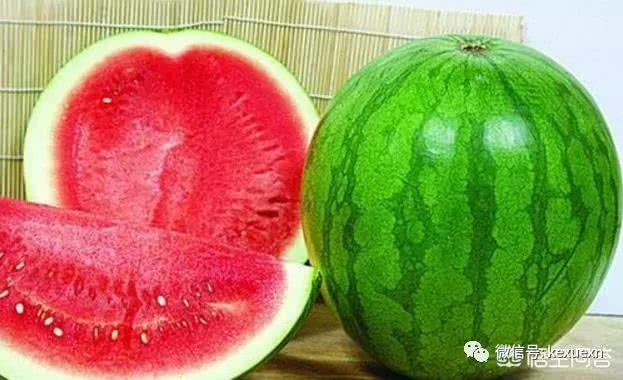
First, let us be clear about one thing: the weak growth and slow development of the asker's seedless watermelon seedlings is not a situation unique to the asker, but a problem commonly seen in seedless watermelons. This is because seedless watermelons and watermelons need sufficient stability during seedling growth, and generally only grow faster when the temperature is consistently above 20°C. However, for early-sown seedless watermelons, especially in the north, the climate cannot meet the growth needs of seedless watermelons. In addition, during emergence, watermelons are prone to retaining the seed coat cap, which restricts their growth. Therefore, with these two factors combined, the growth of seedless watermelons cannot be optimistic.
In addition, watermelon cultivation basically adopts the method of pre-sprouting and transplanting. In this case, after transplanting, stunted seedlings or slow growth may occur due to unsuitable soil nutrients, water, fertilizer and temperature. If management is improper during production, seedling death is also not uncommon. Therefore, a low seedling survival rate is not surprising.
How can the problem of a low seedling survival rate be solved? Strengthening seedling-stage management is the key. Several measures are given below.
1. Hotbed seedling raising
Hotbed seedling raising can effectively control the bed temperature and promote seedling development. During the seedling stage, a hotbed can provide watermelon seedlings with sufficient temperature and nutrient supply, ensure normal seedling development, and reduce the occurrence of stunted seedlings.
2. Delaying the sowing period
When the temperature during the watermelon sowing period is relatively low, it is easy to cause stunted seedlings and a low seedling survival rate. Seedless watermelons are not tolerant of low temperatures, so the sowing period can be postponed to alleviate the problem of a low seedling survival rate. As the temperature gradually rises later, it is also more conducive to seedling development after transplanting. However, the watermelon ripening period will also be postponed accordingly.
3. Using nutrient pots for seedling raising
At present, most production uses the method of pre-sprouting and transplanting, but after transplanting into small arched sheds, seedlings tend to be weak during the seedling stage. For this reason, after pre-sprouting, cotyledon seedlings can be transplanted into nutrient pots and then placed in a seedbed for seedling raising. The essence of this method is to place the factors affecting emergence within a controllable range, achieving effective control of temperature and nutrients, thereby promoting seedling survival.
Seedling-stage management of seedless watermelons is naturally important, but later production management is also a very key link. Only with proper management in production can seedling development be promoted. During the seedling stage, watermelon seedlings are fragile and require even more careful and proper care.
This is Science for Agriculture. You are welcome to follow, bringing you more agricultural science information.