Detailed Explanation of Potted Jasmine Planting and Management Methods
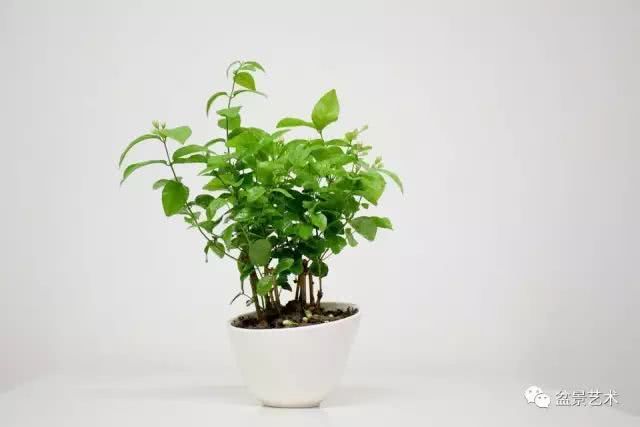
For potted jasmine, the growing medium should be rich in organic matter and have good water permeability and aeration. Generally, you can use 4 parts garden soil, 4 parts compost, 2 parts river sand or rice husk ash, plus an appropriate amount of fully decomposed dry cake meal, chicken and duck manure, etc. Sift out the powder and coarse particles, using the coarse particles to line the bottom and cover the surface. The best time for potting is from April to May each year, before the new shoots sprout. Choose a suitable flower pot according to the size of the seedling. When potting, hold the seedling with one hand and fill in the growing medium with the other. After the soil has covered all the roots, lift the plant gently upward and shake the pot a few times so that the soil comes into close contact with the root system.
Then press the potting soil firmly with your hands, leaving a distance of 2 cm between the soil surface and the pot rim for watering. After planting, water thoroughly to settle the roots, then place it in a slightly shaded spot for 7-10 days, avoiding direct sunlight, and gradually expose it to light afterward. The key to daily management is water. Based on jasmine's characteristics of preferring moisture, being intolerant of drought, fearing waterlogging, and liking good aeration, you should master the timing and amount of watering. It can bloom from June to July. By this time, the root system has resumed normal growth, and you should water with a dilute alum fertilizer solution once every 7-10 days. After that, it can be managed as a mature jasmine plant, and it does not need repotting again that year.
Potted jasmine generally should have its pot and soil changed once a year. When repotting, remove part of the old soil and residual roots around the jasmine root system, replace with new growing medium, and improve the soil aggregate structure and nutrients again, which is beneficial to the growth of jasmine. After repotting, water thoroughly as when potting, so as to facilitate close contact between roots and soil and restore growth. Before repotting, jasmine should be pruned once, leaving only about 10 cm on the previous year's branches, and cutting off diseased and dead branches as well as overly dense and overly thin branches. During the growing season, frequently thin out old leaves that are too densely grown, which can promote the sprouting of axillary buds and the production of more new branches and more flower buds.
In spring from April to May, jasmine is just sending out branches and growing leaves, and its water consumption is not large. You can water once every 2-3 days, around noon, following the principle of seeing dry and seeing wet, and watering thoroughly when you do. From May to June is jasmine's spring flowering period, so watering can be slightly more. Midsummer from June to August is a high-temperature climate, and it is exactly jasmine's full flowering period when it grows quickly and leaf transpiration also speeds up. With strong sunlight, it needs more water, so you can water once in the morning and once in the evening. In dry weather, you should also spray water on the leaves and the ground around the pot. Because jasmine is neither tolerant of drought nor waterlogging, on rainy summer days you should promptly drain accumulated water from the pot. In autumn, when the temperature drops, watering can be reduced to once every 1-2 days. In winter, the amount of watering must be strictly controlled, because excessive moisture in the potting soil is unfavorable for overwintering.
Jasmine likes fertilizer, especially because of its long flowering period, it needs more fertilizer. It also likes acidic soil, and usually you can water with 1:10 alum fertilizer solution once a week. After the first flowering, it is advisable to use bean cake, etc. as a top dressing applied to the surface soil. During flowering, apply bone meal and phosphate fertilizer as appropriate. If conditions permit, you can water with decomposed human manure and urine, which can make jasmine flowers more fragrant. During the high-temperature full flowering period, fertilizer should be applied once every 4 days. You may use heavy fertilizer and heavy water. Generally, water in the morning, apply fertilizer in the evening, and water again the next day, which helps the jasmine roots absorb nutrients. The fertilizer solution should not be too concentrated, otherwise it easily causes root rot. Before applying fertilizer, use a small shovel to loosen the potting soil slightly, then apply. Do not apply fertilizer when the potting soil is too dry or too wet; applying fertilizer when it is seemingly dry but not quite dry gives the best effect.
To make the potted jasmine plant full and beautiful in shape, after the flowers fade you should immediately cut off the withered flowering branches to encourage new shoots to sprout from the base and control plant height. Stop fertilizing in early September to increase branch maturity and help overwintering. Jasmine is afraid of cold. When the temperature drops to 6-7°C, it should be moved indoors, and attention should be paid to opening windows for ventilation to avoid yellowing and falling leaves. At this time the temperature is often unstable. When the weather turns warm, it should still be moved outdoors for ventilation and light. When jasmine is moved indoors for the winter, it is best to place it in a room with ample sunlight, and the room temperature should be above 5°C. Water about once every 7 days to keep the potting soil slightly moist. In this way, even in winter it can keep its branches and leaves fresh and green without losing its ornamental effect.