How should you water succulents to make them plump? Adjust the water temperature and they will easily fill the pot
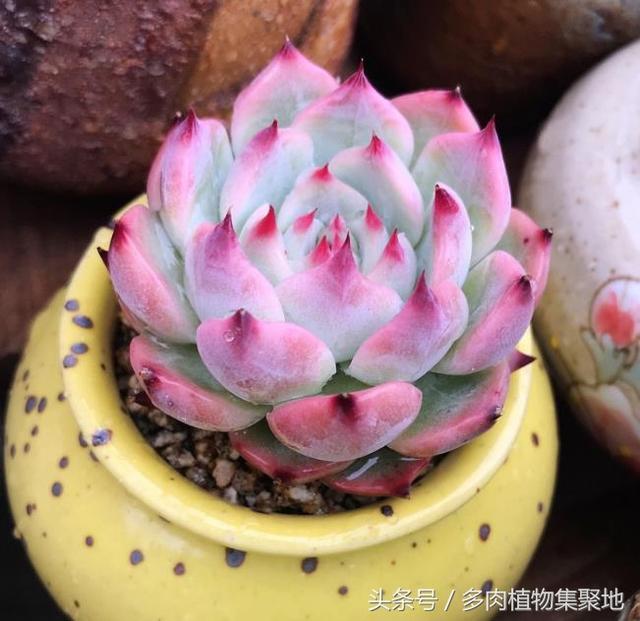
When the water temperature is moderate, the branches and flowers flourish; when the water temperature is too cold, the flowers will be unhealthy. It can be seen that when the difference between the water temperature and the soil temperature is too great, you must not water succulents, so as to avoid cold water damaging the roots. The most suitable method is to store some reserve water in a water basin near the succulents, which helps naturally regulate the difference in water temperature. Under normal circumstances, the temperature difference between the water temperature and the soil temperature should be kept within 5°C, and then the roots of the succulents will not be damaged.
Let's talk about when to water succulents propagated by leaf cuttings. Whether to water cannot be generalized. In the south, humidity is high, and there is a fear that too much water will cause the leaves to become infected and turn to mush. If it is a dry-climate place, especially in the north in winter where there is heating, if you do not water before rooting and sprouting, the leaves will show no movement for a very long time. In northern regions, spring, autumn and winter are all very dry. Most flower growers doing leaf cuttings first mix moist soil, then spread a layer of vermiculite on top, and then place the dried leaves on it. During the process of waiting for rooting, if you see that the vermiculite has become lighter in color, it means the soil below has already dried out, so water some more. Some flower growers' leaf-cutting soil is always moist, and no tragic mushiness has ever occurred, except in the hot summer.
Why is summer unsuitable for frequently watering succulents? Because the succulents have already entered dormancy or semi-dormancy. Even summer-growing types will enter semi-dormancy once the temperature reaches above 35 degrees. If there is too much water, the roots cannot absorb it, and over time the roots will easily rot. Moreover, summer is a high-incidence period for pathogen invasion. Long-term moisture makes it easier for them to suffocate and develop black rot. Therefore, watering once a month is enough, a small amount each time without soaking through. It is best to choose the middle of the night when the weather is cool and windy to water.
On the second or third day after watering, remember to observe the succulents. If you find that the leaves have become transparent and turned to mush, it means you watered too much. At this time, stop watering, dig out the succulent and check the roots. If the stem has not turned black, let it dry for one or two days and then plant it in dry soil. Just spray a little water on the soil surface. If the stem has turned black, it means there is a bacterial infection.
For newly potted succulents, generally choose to pot them in moist soil so that the succulents have an adaptation period. After one week, water thoroughly. At this time, be sure to pay attention to ventilation. Mold or root rot are both caused by lack of ventilation or too much peat in the mix making the soil too wet. After it dries thoroughly, water the soil surface again until moist; it only needs the surface to be moist. Water again once it dries, and repeat this. After one month, watering thoroughly once more should be about right.
If you are propagating succulents by leaf cuttings, when the medium dries out, appropriately add some water so that the medium is moist but not wet. This is more conducive to rooting and sprouting and will not have any negative effect on the leaf cuttings.
This is a gathering place for succulent lovers, sharing succulent care tips. You are welcome to follow and exchange ideas.