A succulent leaf that was accidentally knocked off actually grew into a new plant
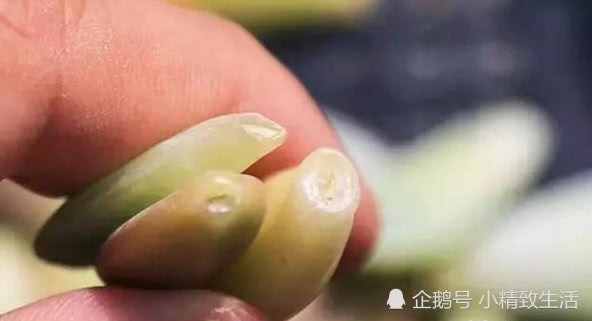
Beginner friends, while caring for your succulents, may occasionally accidentally knock off a few leaves from a beloved succulent. At this point, don't feel heartbroken, because it means you'll get several brand-new succulents.
Personally, I feel that leaf propagation is actually the most convenient way to propagate succulents, bar none. If you want to grow more new succulents, or if some part of your succulent has developed a disease and the original plant can't survive, then you can pick off healthy leaves for leaf propagation. As long as the point where the leaf connects to the stem, that is, the leaf's growth point, is still there, even if the leaf is slightly damaged, it can still grow into a brand-new succulent.
Below, the editor will talk with you about the methods and precautions for leaf propagation.
Leaf propagation steps:
1. Select healthy leaves and pick them off, then place them in a ventilated, dry place with bright indirect light to dry for three days, so the wounds dry out.
2. Prepare the potting soil
A previous article wrote about how to mix soil for succulents, but it mainly discussed succulents that have already survived. Now it's leaf propagation, which mainly aims to make the succulent grow roots first, so use a little less coarse sand, with a ratio of 6 peat soil + 4 coarse sand. If conditions allow, the 6 parts peat soil can be further broken down into 4 peat soil + 1 coal cinder + 1 sawdust. All the soil-mixing materials I've mentioned are easily available in the surrounding environment.
3. Divide the potting soil into undulating ridges and furrows, use a spray bottle to spray the potting soil until damp, then place the dried leaves with the back facing down and the leaf tip high and the growth point low onto the ridges, so the growth point is a bit closer to the potting soil, making it easier for the roots that grow later to penetrate into the potting soil.
4. Place the flowerpot in a ventilated place with bright indirect light and quietly wait for roots or buds to appear. Do not water before roots appear. If the environment is too dry, you can use a spray bottle to spray some water around to adjust the surrounding air humidity, but be careful not to spray water onto the leaves.
5. Depending on the succulent variety, the time for roots or buds to appear varies, and some will grow roots first, while others will grow buds first. After roots or buds appear, continue caring for them in a ventilated environment with bright indirect light, do not expose them to strong direct sun, and you can water appropriately.
6. Wait until the leaf rosette has fully grown and the root system is fully developed, then you can gradually expose them to full sun and water 1-2 times a week to care for them as normal seedlings.
Precautions:
1. During leaf propagation, use a spray bottle to spray the potting soil until damp, and note that it should be damp but not wet.
2. Before roots or buds appear, do not let the leaves touch water, otherwise they easily turn to water.
3. During leaf propagation, if you encounter leaves that have turned transparent and watery or are about to rot, be sure to remove them promptly to avoid infecting other leaves.
4. During leaf propagation, try to wait quietly, and do not move the leaves around all the time. You need enough patience.
5. As the new buds grow, the mother leaf will gradually dry up. Try not to move the mother leaf and let it dry naturally, to avoid damaging the new buds and to fully transfer the mother leaf's nutrients into the new buds.
6. Ventilation, ventilation, ventilation, say the important thing three times.
The above are the steps and precautions for succulent leaf propagation. I hope they are helpful to beginner friends.
Organized and published by Little Exquisite Life.