Keep a pot of this flower at home, and it will look beautiful even without renovating.
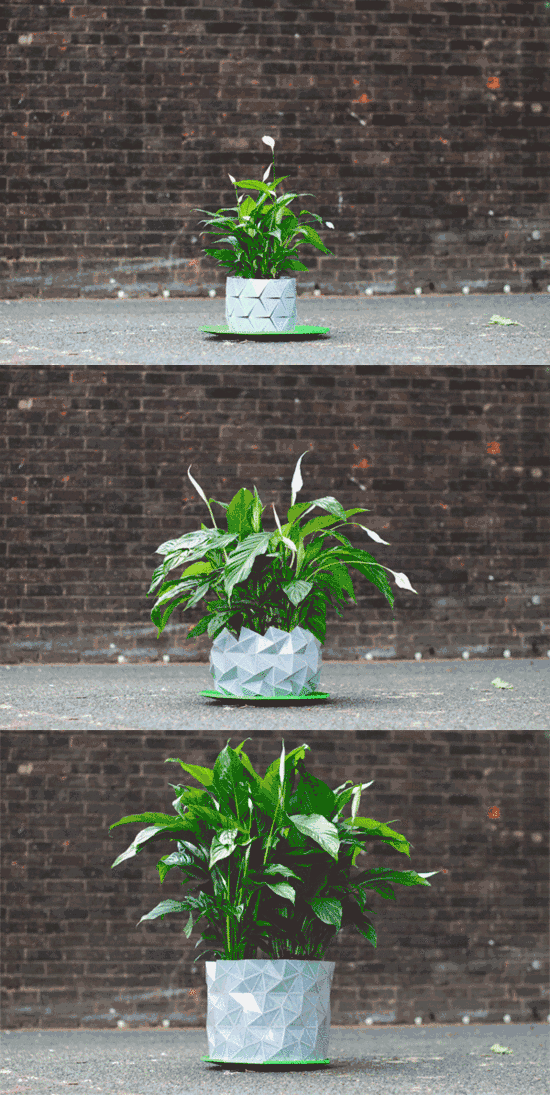
When choosing indoor plants, besides looking at a plant's preference for light and water, the rest mainly comes down to the owner's taste. Some people like tall plants, while others like small ones, and the differences are huge. But some plants may be universally recognized as beautiful. With one pot grown at home, there is probably no one who would not like it. Let's take a look together at which plants make a home overflowing with beauty. One pot, and your home will look upscale!
“
Indoor plants
”
Monstera
Monstera (Monstera deliciosa) is a perennial woody climbing evergreen shrub in the Araceae family, Monstera genus. It is also known as split-leaf philodendron, Mexican breadfruit and ceriman. It grows in forests and climbs trees.
At night, Monstera absorbs carbon dioxide, which can improve indoor air quality and greatly help increase oxygen levels. It has the characteristic of absorbing harmful gases such as formaldehyde, benzene and TVOC. The amount of formaldehyde absorbed by one Monstera is equivalent to that absorbed by 10g of coconut shell activated carbon, making it very ideal for purifying indoor air.
So Monstera is not only beautiful but can also purify the air. It is also widely used in indoor styling and will instantly make your home look upscale.
If plants are to show their beauty indoors, matching them well is very important. The most common placement is in the living room and entryway. For these two places, it is best to use a larger Monstera, which looks more grand.
Placing Monstera in the bedroom, bathroom, kitchen and other places instantly makes your home full of greenery. If you can pair it with some green plant paintings nearby, it will be even more atmospheric.
Monstera prefers warm and humid environments and must avoid strong direct sunlight and dryness. It is shade-tolerant and easily grows in fertile, loose, slightly acidic loam with high water absorption and good water retention, with leaf mold or peat soil being best. The suitable growth temperature is 20-25°C. Below 5°C, it is prone to cold damage, and when the temperature rises above 32°C, growth stops.
Rubber plant
Rubber plant, also known as rubber tree or Brazilian rubber, is an evergreen tree in the Moraceae family, Ficus genus. Its leaves are thick and broad, deep green in color, with bright red terminal buds. When the stipules split open, they hang down just like red tassels, quite charming.
The rubber plant has high ornamental value and is a famous potted foliage plant, extremely suitable for indoor beautification and arrangement.
It can be used to beautify the living room, study, bedroom and other places, making the room more full of life.
Small rubber plants are suitable for arranging in small indoor corners. They can be placed together with other plants to create a sense of staggered height, or placed alone indoors, where they have their own unique charm compared with medium and large rubber plants.
The rubber plant prefers a hot, humid and sunny environment. The suitable growth temperature is 20-25°C, and it avoids direct sunlight. It can also tolerate shade but not cold, and the safe wintering temperature is 5°C. It tolerates dry air. It avoids clayey soil, is not tolerant of barrenness or drought, and prefers loose, fertile, well-drained, slightly acidic soil.
Areca palm
Areca palm, also known as yellow palm or purple palm, is a clustered evergreen shrub or small tree in the Arecaceae family, Dypsis genus. Areca palm is generally used to beautify the living room, study, bedroom and other places, making the room more full of greenery.
Areca palm is the best partner for gorgeous styles. It has a gorgeous and elegant appearance and the excellent inner quality of being shade-tolerant.
For American style and French style, the best partner is none other than the areca palm. The languid feeling it gives off matches perfectly with the ornate American and French style decorations.
Areca palm prefers a warm, humid, semi-shaded and well-ventilated environment, and the minimum wintering temperature must be above 10°C. During the growing season, the potting soil must be kept moist and the air humidity around the plant maintained.
Fiddle-leaf fig
Fiddle-leaf fig is also called fiddle-leaf rubber plant, named because the leaf tip is enlarged and shaped like a violin.
The fiddle-leaf fig tree is tall and its leaves are beautiful, making it a very good plant for large halls and courtyards. Its care is also relatively simple, so it is increasingly loved by everyone.
Fiddle-leaf fig has been very popular in recent years and has many fans at home and abroad.
If you want to create a minimalist and individual Nordic style, then you must not miss the fiddle-leaf fig. This designer-exclusive plant, with its straight trunk and unusual, grand leaf shape, paired with a rattan woven planter or a simple solid-color flower pot, is as beautiful as can be! It can greatly boost the appearance of home decoration!
Fiddle-leaf fig prefers a warm, humid and sunny environment. The suitable growth temperature is 25°C to 35°C. It goes dormant at around 15°C and can safely overwinter above 5°C.
Snake plant
Snake plant, also known as tiger skin plant or thousand-year plant, is a perennial herbaceous foliage plant in the Liliaceae family, Sansevieria genus. Its leaves are upright and thick, with horizontal white stripes, resembling a tiger's tail, hence the name.
Snake plant varieties include golden-edged snake plant, short-leaved snake plant and others. Snake plant is very shade-tolerant and can also absorb harmful gases. It is suitable for decorating studies, living rooms and office spaces, and can be viewed for a relatively long time.
Ordinary home spaces are all very suitable for growing snake plants. Keep the pairing as simple as possible, without too many cumbersome decorations, and it is very harmonious.
Snake plant grows tenaciously and is also very tolerant of shade and drought, so it usually does not need much water. Placed casually in a corner of the home, it can hold its own presence.
Snake plant has strong adaptability, prefers warmth and humidity, tolerates drought, and likes light while also tolerating shade. It is not strict about soil and does better in sandy loam with good drainage. Its suitable growth temperature is 20-30°C, and the wintering temperature is 10°C.
Bird of paradise
Bird of paradise, also called Strelitzia, has a strange flower shape and graceful posture, resembling a crane holding its head high and looking into the distance, hence the name. Its superior sense of line and fresh, elegant form bring out the best in each other, and it is known as the "king of cut flowers."
Bird of paradise is a perennial herbaceous plant in the Strelitziaceae family, without a stem. Its flowering period is in winter. Bird of paradise stays evergreen through the four seasons, with large beautiful leaves and strange flower shapes. It can be planted in clusters at courtyard corners and used for courtyard landscaping and as accents in flower beds and flower borders.
Bird of paradise has a simple and grand shape, clean and evergreen leaves, and the visual impact of its strange flower shape, all of which make it impossible to forget this plant full of fairy-like elegance!
Bird of paradise is a subtropical long-day plant. It prefers a warm, humid and sunny environment, fears severe cold, and avoids extreme heat, drought and waterlogging. It requires loose, fertile sandy loam with good drainage and a pH of 6-7. The suitable temperature during the growing period is 20-28°C.
Cactus plants
There are many varieties of cactus plants, and most are very easy to grow. If you have never had a knack for growing plants and have been discouraged, then try cacti.
Cacti have a strong sterilizing effect in dealing with pollution and are the best plants for reducing electromagnetic radiation.
Cacti absorb carbon dioxide and release oxygen at night. Placing a pot of cactus indoors at night is helpful for sleep.
In an era swept by Nordic style, simple arrangements and single-minded colors seem to have become the weather vane of home decoration. And the Peruvian apple cactus is an outstanding choice among cactus plants in home pairing. If you do not have any suitable plant choice, then get a simple pot of Peruvian apple cactus!
ZZ plant
ZZ plant, scientific name Zamioculcas zamiifolia, is a foliage plant in the Araceae family and is very shade-tolerant. The ZZ plant gets its name from the shape of its leaves. Its leaves are shaped like coins used in ancient times, and clusters of leaves look like strings of coins, very likable.
ZZ plant is suitable for dark corners and does not need much watering or management. It can grow very well on its own.
It prefers a warm, hot, slightly dry, semi-shaded environment with little change in average annual temperature. It is suitable for growth at 20°C to 32°C. During the growing period, watering should follow the rule: "do not water until dry, and when watering, water thoroughly." It is relatively tolerant of drought, but fears cold, avoids strong direct sunlight, and is afraid of sticky soil and water accumulation in the pot. If the potting soil has poor permeability, it can easily cause its tubers to rot. It requires loose, fertile, well-drained soil rich in organic matter and acidic to slightly acidic.
Flower and plant wallpaper
If these still do not satisfy your heart for a plant forest, what should you do? It does not matter, try plant wallpaper. It is just like living in a forest. No matter how strong the summer heat is, you will still feel relaxed and happy!
In fact, life is full of beauty everywhere, as long as you have a heart that loves beauty and loves plants! Even simple pothos and spider plants can make your home full of poetry!
What is your favorite home plant?
Tell everyone in the comment section below~
After reading, show it to flower lovers who need it~