Grow potted herbs on the windowsill, keep harvesting and they will keep growing back
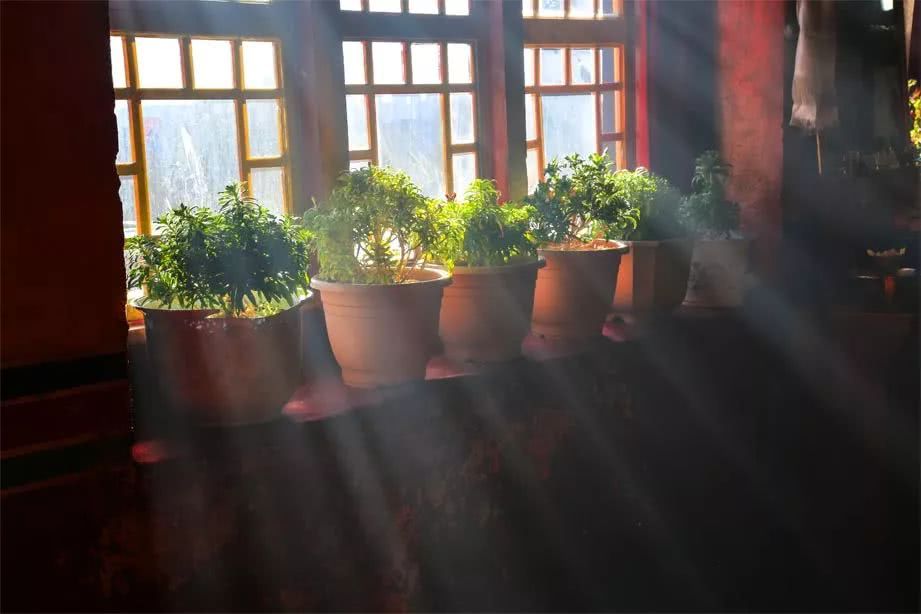
How do you grow a whole herb garden on an indoor windowsill? Let's take a look at the things you need to watch out for. Growing herbs on a window that you can keep harvesting is not that simple. Besides paying attention to watering and proper pruning, you also need to maintain a certain level of light and humidity for them to grow well.
1. As much light as possible
The main problem with keeping herbs on a windowsill is the lack of light. Without light, herbs tend to grow very weak. You can add artificial lighting, but it is best to place them on a south-facing or east-facing windowsill with plenty of sunlight, or choose herbs that do not need as much light, such as mint, cilantro and celery.
2. Maintain proper humidity
Another problem with growing herbs well on a windowsill is the lack of air humidity. Many people say that indoor environments are fairly humid, but air conditioners, heaters and other appliances at home all dry out the indoor air, and these are the reasons herbs tend to wilt and develop yellow leaves.
You can mist around the potted herbs once a day to maintain a certain level of air humidity, or run a humidifier, keep some ventilation going, avoid placing the herbs next to radiators, vents or large appliances, and avoid excessive temperature swings, which are also harmful to herbs.
3. Keep them warm
When caring for herbs, you need to maintain a suitable temperature and avoid excessive temperature swings. Temperatures that are too low or too high are both unsuitable for herb growth. Keep the growing temperature above 5 degrees, and the most suitable temperature for growth is between 18 and 27 degrees.
The spot where you keep them needs as much natural light as possible. An east-facing windowsill is the most suitable. You should also avoid the herbs growing too densely, and keep proper spacing.
4. Avoid overwatering
The thing herbs on a windowsill fear most is overwatering. Even slightly moisture-loving herbs like basil, mint and oregano should be kept from overly wet soil. Only keep the soil slightly moist when the weather is good and the temperature is high.
As for plants like rosemary, lavender or sage that prefer slightly dry soil, you should control watering appropriately and only water thoroughly after the potting soil has dried out completely.
The frequency of watering on a windowsill depends on the humidity and the amount of light in your home. If the soil dries out easily, increase watering appropriately. If the soil is often moist, control watering appropriately.
5. Choose suitable soil
Growing herbs requires loose, fertile, slightly acidic soil rich in humus. The soil needs proper nutrients and a certain water-holding capacity, and of course you should also avoid waterlogging.
When caring for herbs, also avoid soil splashing onto the leaves, and mist regularly to keep the herb leaves clean. With parsley, for example, soil easily sticks to the leaves.
6. Other things to watch out for
If your windowsill does not get much light, pay attention to growing herbs that do not need much light, such as the common mint, cilantro, parsley, garlic and ginger. They can grow in partial shade.
If your herbs develop yellow leaves while the veins still look green, this means the soil drains poorly or is waterlogged. You need to move them to a ventilated spot and reduce watering.
If the veins turn yellow too, the soil may be lacking iron. You need to water appropriately with a ferrous sulfate solution to supplement nutrients and avoid the soil becoming alkaline.
If you find the leaves look scorched, with the tips turning black or brown, it is usually overfertilization or too much direct sun. You need to provide appropriate shade or water to dilute the fertilizer.
Potted herbs kept indoors need regular pruning to maintain a certain shape, and this also promotes the growth of stems and leaves. Proper pruning also encourages more branching, which helps them grow vigorously.
If you do not want your herbs to wither, pinch off the flowers as soon as you see them bloom, to avoid consuming too many nutrients.