Succulents are hard to grow? Put a piece of sponge in the flower pot and they just won't die
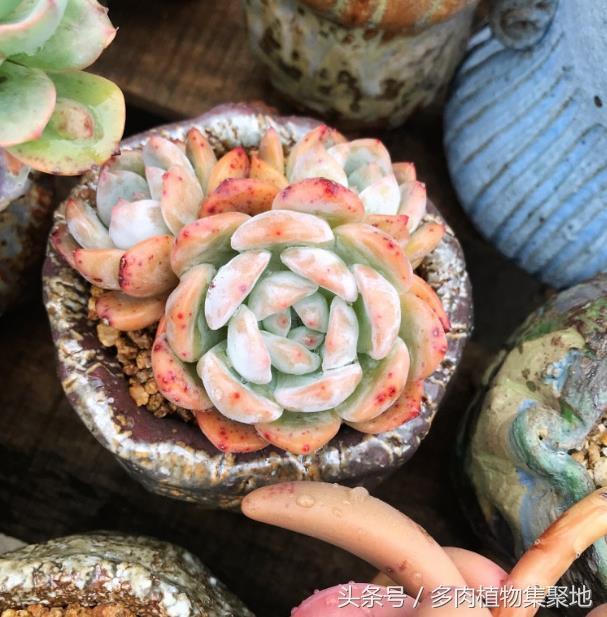
Put a few sponge blocks at the bottom of the flower pot, then add soil where soil should go and top dressing where top dressing should go - it's just a few extra pieces of sponge. Though it's only a small detail, it really keeps the plants alive, and in that way that they keep living without dying. A gardening enthusiast proudly discovered this little "trick" for growing plants, and sponge is also very good for growing succulents.
Sponge can be used to stabilize the root system of flowers and also to retain water - it's a great thing for cuttings. Insert the cuttings into the sponge, and they will root much faster than in water, and it can also improve the survival rate of the cuttings. When plant cuttings are rooting, they don't need much nutrients in the early stage, so using water-absorbing sponge for cuttings instead of soil can reduce bacterial infection of the cuttings.
Sponge has fairly strong water absorption. The biggest fear when growing succulents is water accumulating in the pot and lack of airflow. Placing sponge at the bottom of the pot can very well regulate the moisture of the potting soil, and the sponge can also absorb that accumulated water. It's best to choose black sponge, because then it looks more similar to the color of the soil, and the cuttings can adapt to the environment as quickly as possible, which is good for the growth of the plant's root system.
As for the use of sponge, I think it's very suitable for growing succulents, because its principle is to absorb water and then release it. For example, if you usually water too much, the sponge will quickly absorb the excess water and evaporate it, and when the soil is dry, if there is residual water in the sponge, it will be quickly absorbed by the roots. That way, don't you no longer have to worry about watering too much?
Finally, succulents that have been rained on must avoid water accumulation, and the flower pot must have holes for airflow. No matter how beautiful the pot is, if it's not breathable, you'd rather not use it. After rain, you can also loosen the soil appropriately to evaporate the moisture in the soil. At night, it's best to cool down the succulents so the environment isn't too stuffy and hot. After rain, be sure to put the succulents in a ventilated place - good ventilation can reduce problems with succulents.
Succulents in the growing season and the dormant season should be treated differently. Once the temperature reaches 30°C, some succulents begin to go dormant, their leaves close up, and the growth activity of the leaves and root system slows down or pauses, which helps them resist harsh external conditions. But because they no longer take in nutrients from outside, they begin to consume their own leaves. Don't expose dormant succulents to blazing sun, as they will accelerate the consumption of their own leaves to resist the harsh environment. Generally, pull up a shade net, or move them to a cool, ventilated place for care.
This is a gathering place for succulent enthusiasts, sharing succulent care tips. Welcome to follow and exchange ideas.