Is watering flowers with tea good or bad for their growth?
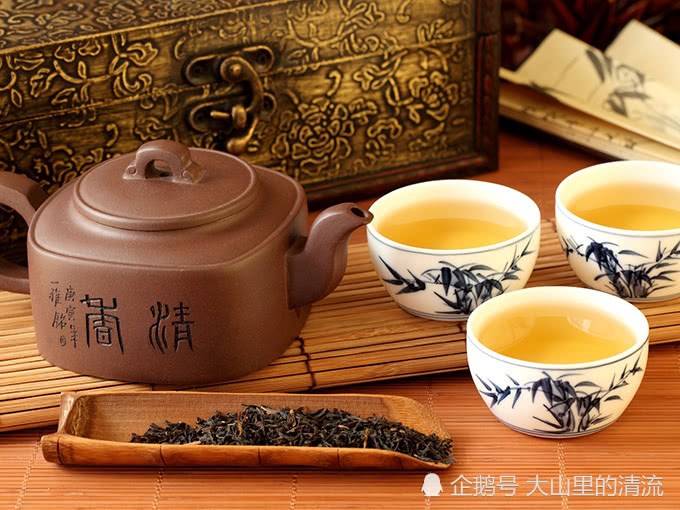 Drinking tea is probably an indispensable part of daily life for many people today. Some people like to take their leftover tea and pour it on their plants, believing this can provide nutrients to their flowers and help them grow better. But is that really true? Let's clear up the confusion for you here.
1. Is watering flowers with leftover tea actually workable?
Leftover tea can help flowers to some extent, but there is a precondition, namelyfermentedovernight tea. Everyone surely knows that tea leaves contain a lot of alkaloids. If leftover tea is poured directly on flowers, it will disrupt the soil's pH, affect the absorption of water and nutrients, and harm the plant (because most flowering plants prefer acidic conditions). So it must be fermented first to make it weakly acidic before it can be used to water flowers.
2. How should leftover tea be treated to water flowers better?
Generally, leftover tea needs to be fermented before use. Although tea left overnight will naturally ferment and become weakly acidic, and watering plants with it will help somewhat. But if you pour the tea into a sealed container and add some rice-washing water, vinegar, or orange peel, and ferment them together, first, the fermentation will be faster, and second, the fermented tea will contain richer nutrients and provide more nourishment for the plants.The fermented tea should be diluted with clean water to avoid burning the plant roots due to high concentration.
3、Is it good to water flowers with leftover tea over the long term?
Watering with tea over the long term is actually not very good for plants. Because fermented tea is weakly acidic and contains many trace elements, watering plants with it frequently over a long period will make the soil more acidic, damage the soil structure, and the substances precipitated out will also cause the soil to become compacted. So watering flowers with leftover tea should not be done too frequently, to avoid a negative effect on plant growth. In the routine care of flowers and plants, you can also loosen the soil around the plants to improve the soil's looseness and air permeability.
4. Which flowering plants are acid-loving?
There are many acid-loving flowering plants, common ones such as camellia, hydrangea, azalea, cyclamen, gardenia, begonia, orange jasmine (Aglaia odorata), amaryllis, banana shrub (Michelia figo), jasmine, and so on.
Friends who like this are welcome to follow, leave comments, and like, and to exchange and learn flower and plant care experience together with other flower lovers.