Orchids enter a critical management period in May; once you master it, getting them to thrive is not hard
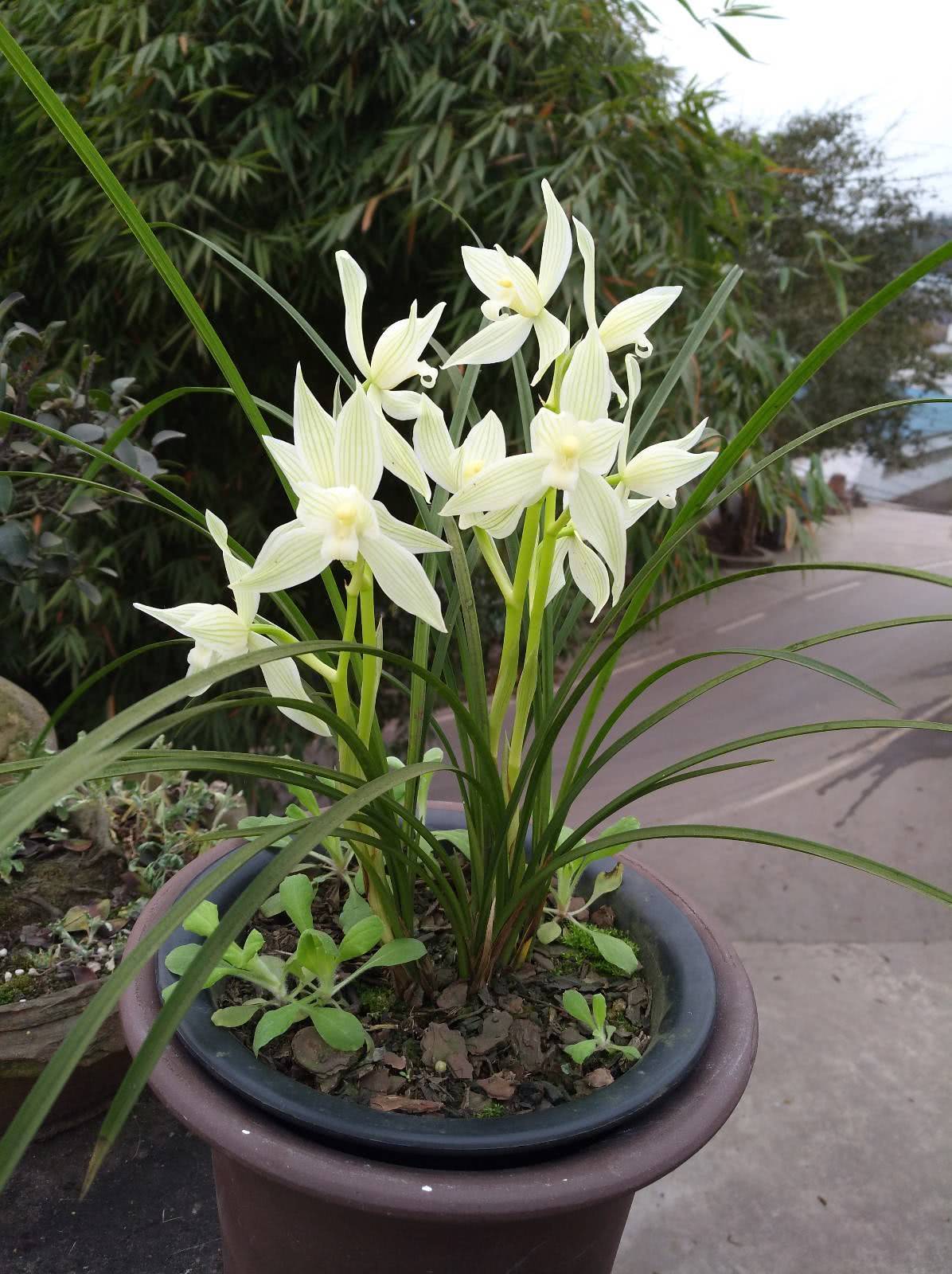
The flower language of orchids is: beauty, noble purity, and virtue. Among all flowers, for the purity of its fragrance, the richness of its scent, the far-reaching reach of its aroma, and the pleasantness of its perfume, the orchid can rank first among all flowers, and it is deeply loved by flower lovers! How do you grow orchids? The ancients said, "Three parts planting, seven parts care" is the experience of growing orchids. Today let's talk with everyone about how to grow orchids more vigorously.
1. Fertilizing: A crop with a single flower depends entirely on fertilizer to thrive; plants eating fertilizer is like people needing to eat meat, and without it they do not grow well. Orchids have fairly strict requirements for fertilizing; too much is no good, and too little is no good either. For the choice of fertilizer, it is best to choose a good nutrient solution, an organic nutrient solution specially for orchids, rich in nitrogen, phosphorus, and potassium.
First, when the buds and leaves have just grown out, one application of fertilizer mainly based on nitrogen is needed. Next comes the vigorous growth period, specifically the period from May to the Beginning of Autumn, when a nitrogen fertilizer should be used once every two weeks or half a month. After that, the applications can be stopped. However, during that time, after the flowers fade, one supplementary application is needed. In addition, pay attention to the specific time as well; it is best to do it in the evening.
Foliar feeding can both supplement the orchid plant's nutrition through absorption by the orchid leaves and avoid fertilizer touching the roots and causing fertilizer burn, so for orchids it is the best method of fertilizing. As long as during the growth and development period you persist in doing a foliar feeding about every 10 days, you can grow orchids perfectly well without needing to fertilize in the pot.
2. Water: Perhaps some friends have heard a saying, "Dry orchids, wet chrysanthemums." So naturally there must not be too much water. A small amount of water can make it grow vigorously, but too much is no good. Generally speaking, keeping it at 20 percent dry and 80 percent moist is best. It can both meet its need for water and not cause harm. Note: do not water at noon.
3. Light: Although this kind of orchid is shade-loving, being too shaded for a long time will not make it vigorous either. In spring and summer, you can provide some shade appropriately. However, by autumn and winter it is best to put it outside to get half a day of sun. This helps the plant grow more vigorously. And in order to let every side receive light evenly, it is best to adjust its orientation after some time, to avoid differences in growth.
The last one is temperature. Generally, the temperature more suitable for orchid growth is around 20-25 degrees. Today is the Beginning of Summer, so from now on we need to do a good job of sun protection for our flowers.