Turning the soil over frequently does not encourage orchids to bloom; instead, they turn into plain orchid foliage
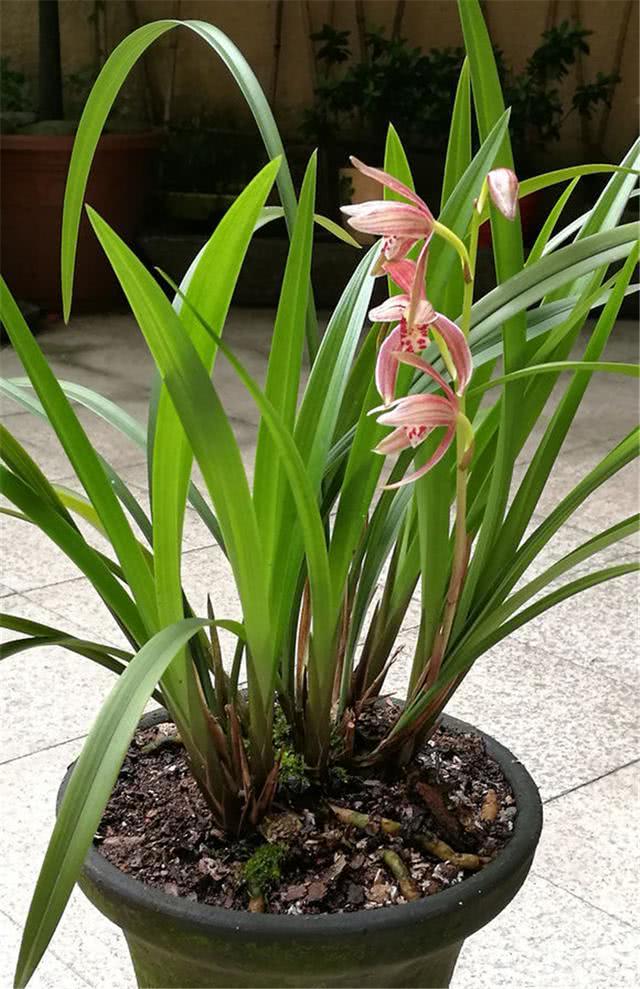
Orchids are the gentlemen among flowers, and many friends love to grow them. Repotting orchids on a regular schedule lets you check how the roots are growing, whether there is any disease, and whether the potting medium has become compacted. Then, based on the actual situation, you can top up the medium and supplement nutrients to help the orchid grow better.
When repotting orchids, remember the 16-character motto: "Turn often and you grow foliage; turn seldom and you grow flowers. Turn in spring and you grow foliage; turn in autumn and you grow flowers."
"Turn often and you grow foliage; turn seldom and you grow flowers." This point deserves a special reminder for beginners: do not, out of curiosity about how the orchid is growing or a wish to know whether it has sprouted or produced buds, dig into the soil every couple of days to check. Some friends, worried about soil compaction, also like to loosen the soil for their orchids frequently; if an orchid that has been grown for a long time still shows no sign of blooming, it is very likely caused by this small habit of frequently turning the soil.
Frequently turning the soil disrupts the soil environment the orchid has already adapted to, and a careless move can easily damage newly emerged shoots and flower buds. As a result, the orchid naturally cannot bloom, and a perfectly good orchid can only be grown as plain foliage.
If you want your orchid to bloom, you must control your hands and not frequently disturb the potting soil; nor is it good to constantly pull the orchid plant out to examine its roots! In orchid care, we can turn the soil on a regular schedule, rather than repotting irregularly every few days.
The best time to repot and turn the soil for orchids is fixed in spring and autumn, and turning the soil 1-2 times a year is enough. "Turn in spring and you grow foliage; turn in autumn and you grow flowers." Generally speaking, the periods around Qingming and National Day each year are the most suitable times to repot orchids.
Late spring and early summer are the vigorous growth period for orchids. One week after the spring flowers fade, we can repot and turn the soil for the orchid. If the orchid's root system has grown very robustly and the original pot can no longer meet its growth needs, we should move the orchid into a new pot. When repotting, the ratio of the potting medium can be adjusted appropriately, but remember that the new medium should not differ too much from the original medium, so that the orchid does not fail to adapt to the new soil environment and become a stunted plant.
If you have already turned the soil for the orchid in spring, do not undertake any "major project" in autumn; a simple loosening of the soil is enough. Orchids in good growing condition will also have flower buds breaking through the soil in autumn, so be gentle when turning the soil to avoid damaging the buds. After turning the soil in autumn, you can supplement the orchid with organic fertilizer high in phosphorus and potassium. Orchids enter dormancy in winter, and applying solid fertilizer is not conducive to absorption by the orchid. Therefore, we can use organic liquid fertilizer diluted with water to drench the roots and spray the leaves, helping the orchid promote buds and resist the cold.
There is an art to turning the soil for orchids, so keep the 16-character motto firmly in mind. If you want to see your orchid bloom, do not be too hands-on and keep turning the soil! Growing orchids also cultivates character; only those who can endure patiently will see the beautiful flowers!