What to do after rose flowers fade? Cut them off promptly to keep the blooms coming
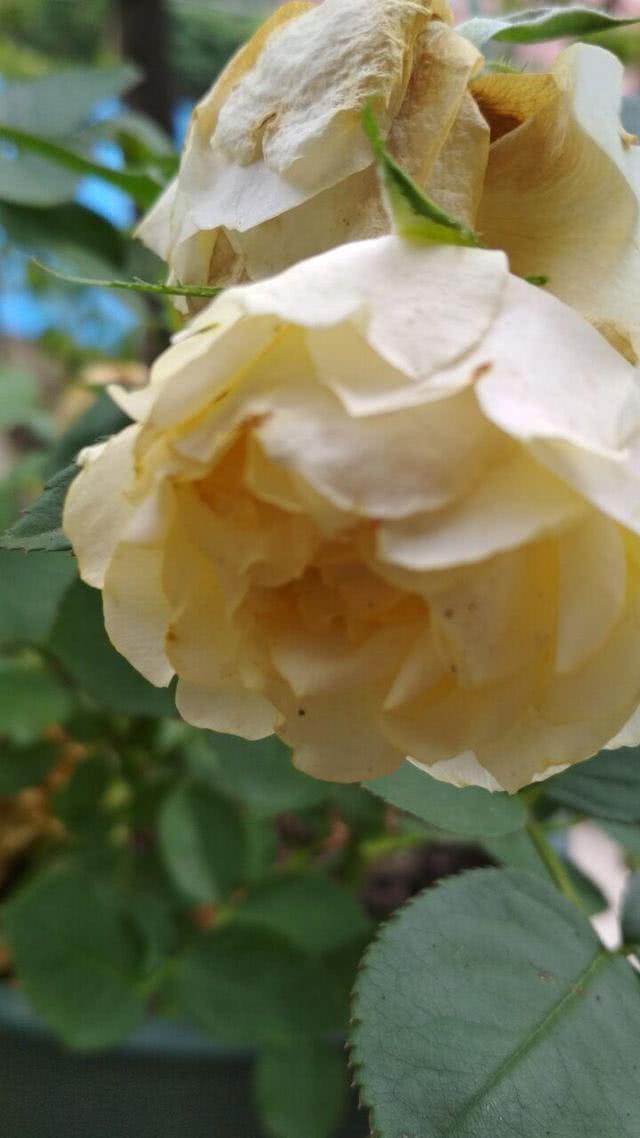
Roses in bloom always bring us good cheer. The blossoming roses, in all their varied forms, each give off their own fragrance - some rich as sweet honey, some delicate as tea - filling the whole garden with scent. They always make people stop and admire, make people linger and not want to leave. But flowering and fading are the laws of nature; where there are blooms there will be faded flowers. So what should be done when rose flowers fade?
Faded roses should be cut off promptly, as this promotes the growth of new shoots and will produce more flowers later. So how should the pruning be done? Because roses bloom on new shoots, generally after flowering you should cut the branch leaving only 2-3 leaves, promptly cutting the flowering stem back to 3-5 leaves from the base. Note that the cut should be about 1 cm above an outward-facing leaf bud, and you should also remove diseased branches, dead branches, side branches and inward-growing branches, so that nutrients are concentrated to promote vigorous new growth. This way the potted rose's shape will be compact and flowering will be concentrated.
The purpose of pruning during the rose's flowering period is to concentrate nutrients and reduce unnecessary nutrient consumption. It is both for good blooming and for promoting vigorous new shoot growth, preparing for the next flowering. Therefore, the key points to note in pruning are: bud thinning before flowering, branch cutting after flowering.
Bud thinning before flowering
Potted roses should not keep too many buds. On pruned branches, start by leaving 2-3 buds on each branch; when the new buds grow to 3-4 cm, generally select and keep one flower bud per branch, and on thick and strong branches you may also keep 1-2 more buds. For the whole pot of roses you can only keep 4-6 flower buds, and they must be evenly distributed; all other new buds should be removed, so as to concentrate nutrients and make the flowers bloom larger and more vivid.