Rose hydroponic rooting tips: once you learn them, you won't have to worry about it not rooting
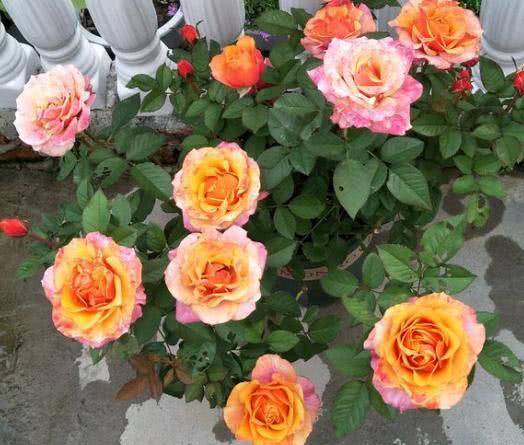
Roses should be the most popular among "balcony gardeners," especially the climbing types, and their flowers come in rich colors and are very appealing, so today Huahua will introduce the care methods for roses and what to pay attention to when growing roses hydroponically!
First, roses really love sunlight, but they cannot tolerate a stuffy, hot environment, so be sure to provide proper ventilation. Some rooms' north balconies can also get sunlight, so you can directly set up a trellis for the roses to climb and receive the sun's light. A south-facing balcony is very convenient; as long as ventilation is ensured, that's enough.
The size of the pot should be determined according to the plant's growth height, so as to conveniently provide it with sufficient growing space. The soil should remain breathable and fertile, so that in the early stage of growth it can provide certain nutritional support.
Then there is pruning. If you want roses to bloom and to extend the flowering period, this step is indispensable. After each bloom, pruning must be done, but each time you prune, it should be decided according to the plant's growth condition at that time.
The first pruning must remove those spent flowers, and keeping about 5 buds is enough. The second bloom should be in summer; at this time, do not cut off too many leaves, to avoid affecting its photosynthesis. The third time is in autumn; now you should cut off all those excess and overly dense branches, so that it can bloom smoothly next year.
As for those branches, we should not waste them either; grow them again, and in the future they will become a new pot of roses.
First, we need to soak the cut branches (they must be healthy) in rooting hormone for a period of time, which can promote the growth of new roots. Then add an appropriate amount of water to the propagation container; the water level should be kept so that after the branch is inserted into the water, it submerges 3/1 of the branch. The part in the water must have its leaves removed, otherwise it is very easy to breed bacteria and cause rot.
Next, place the container in a cool, ventilated place, and be sure to avoid direct sunlight. Then also pay attention to changing the water, preferably once a day, especially in summer, and be sure to carefully ensure water quality. With normal care, in about one week or so you can see its new roots growing out, and then you can choose whether to continue growing it in water or plant it into potting soil!