Post-bloom pruning and fertilizer and water management methods for miniature roses
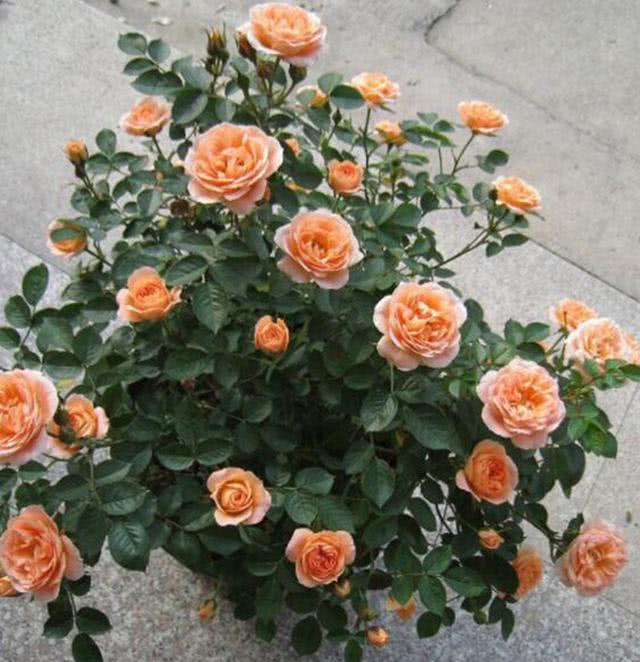
Miniature roses are deeply loved by gardening enthusiasts, especially balcony gardeners, because of their petite and lovely plant form, numerous flower heads, rich and colorful flower patterns, and the small space they take up for growing. If you want miniature roses to bloom abundantly, have a long flowering period, and produce buds continuously, timely pruning and fertilizer and water management after each flowering period are very important!
Miniature roses have a long flowering period. With proper cultivation and suitable climate, they can bloom all year round. After flowering, pruning can be done three times a year: after the first batch of flowers blooms, in order to make new branches sprout faster and concentrate nutrient supply, the spent flowers and the two to three pairs of leaves below the flowers should be cut off in time. At the same time, observe the position of the bud points according to the situation, and cut about 1 cm above the outward-facing bud point. Also, in order to make flowering more uniform and keep the plant shape consistent, medium branches should be cut back to medium length, retaining 3~4 buds; weak branches can be cut back hard, retaining 1~2 buds. Because strong branches grow vigorously, to properly suppress their growth, light pruning can be done, retaining about 4~5 buds. At the same time, in order to make the branches fuller, finer, denser, and tougher, promptly cut off dead branches and fallen leaves and overly dense branches, which can not only prevent the appearance of red spiders but also promote faster sprouting of new branches. To prevent the breeding of powdery mildew, spray regularly with 500~800 times diluted mancozeb or carbendazim. Because the flowering period consumes a large amount of nutrients, after pruning, a comprehensive compound fertilizer should be supplemented in time, together with phosphorus and potassium fertilizers. A 1:1000 potassium dihydrogen phosphate solution can also be sprayed once every 7 days to promote another round of flower bud differentiation.
The second pruning does not require heavy cutting; just cut off the spent flowers and the pair of leaves below the flowers. At the same time, cut off weak branches at the bottom, remove inward-facing buds, and cut off yellow leaves to increase the air permeability of the plant. Also maintain a sufficient supply of fertilizer and water.
The third pruning is after autumn, when miniature roses enter the late flowering stage. For post-bloom pruning, the method of cutting back to medium length can be used. Robust plants can retain two-thirds of the whole plant, while weaker plants can retain one-half or just retain 3~4 strong main branches. At this time the weather gradually turns cold, so keep the potting soil slightly moist, stop fertilizing, and wait until early spring of the following year to promptly provide fertilizer and water again.