What is the relationship between bonsai and gardens? A comprehensive analysis of the connections between the two
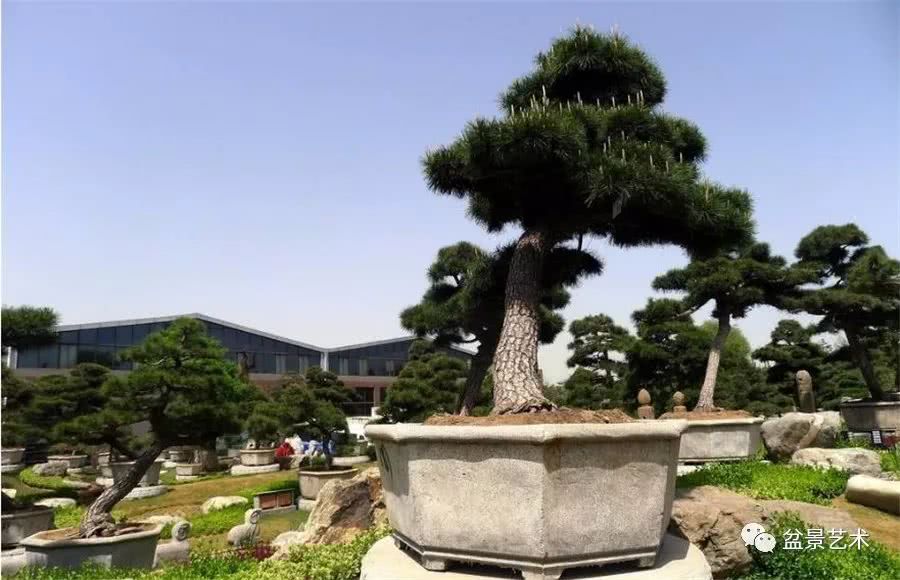
Bonsai originated in our country. It is a product of continuously developing productive forces and gradually took shape under the influence of multiple comprehensive factors such as a certain cultural and historical tradition, social conditions, and the development of production. As an art, innovation is an inevitable law of its development, which requires supplementing and perfecting its own artistic style on the basis of inheriting the artistic achievements of predecessors. As one of the important components of garden art, bonsai art is included within it. The development process of gardens is also the maturation process of bonsai art. Starting from the garden aesthetics reflected in "The Craft of Gardens," this article analyzes the relationship between Chinese classical gardens and bonsai art, which share the same origin and grow together while moving in the same direction with slight differences, aiming to explore new approaches to applying garden landscaping techniques to bonsai artistic creation.
Analysis of related concepts
Bonsai is hailed as "three-dimensional painting" and "silent poetry." It uses plants, rocks, water, and other materials, and through artistic creation and careful cultivation, it typically and intensively shapes the beautiful scenery of nature in a pot, achieving the artistic effect of seeing the large within the small and expressing a profound artistic conception. It is a perfect combination of artistic beauty and natural beauty. A garden is a beautiful natural environment and recreational realm created within a certain regional scope by using engineering techniques and artistic means, through transforming terrain (or further building mountains, stacking rocks, and arranging water), laying out garden paths, planting flowers and trees, and constructing buildings.
Bonsai can be said to be the originating model of gardens, and gardens are the template of bonsai. Both take nature as their blueprint, first establishing the concept, and then using creative techniques to condense elements such as mountains and water, plants, and architecture within a certain scope, allowing people to experience infinite artistic conception within a limited natural landscape.
1.2 The relationship between bonsai and gardens: same origin and mutual generation, same direction with slight differences. During the Qin and Han dynasties, Chinese natural landscape gardens arose, which was the prelude to the emergence of bonsai art. In the Sui dynasty, the artistic conception of landscape gardens strengthened, and bonsai art flourished. In the Tang dynasty, some bureaucrats, landlords, and literati opened land for gardens, dug soil for ponds, and piled rocks to create mountains, pursuing the true meaning of landscape, and expressive landscape gardens appeared. In the Song dynasty, painting art reached a relatively high level, and bonsai art developed rapidly and reached a relatively high level. From the perspective of dynastic changes and development, the development of bonsai art and the development path of gardens were basically consistent, and there was a close organic connection between them.
Garden landscaping often takes natural landscapes as its foundation, unfolding its layout according to the mountains and terrain, dotted with trees, flowers, and plants, striving to embody harmony between humans and nature, and ultimately forming the unique style of expressive landscape gardens. Bonsai art likewise pursues the effect of seeing the large within the small and being higher than nature. Artificial accessories naturally blend with landscape flowers, trees, mountains, and water, trying as much as possible not to leave traces of artificial carving, displaying the beauty of natural landscapes within a tiny pot. Both bonsai and gardens take nature as their object and express human natural instincts in their conception and creation. The difference is that bonsai is a static landscape, mainly for static appreciation, while a garden is a dynamic landscape. People can act as participants and experience its artistic conception through scattered-point appreciation combined with the landscape.