Grow Gloxinia this way for easy full pots and a long flowering period, easily turning one pot into several
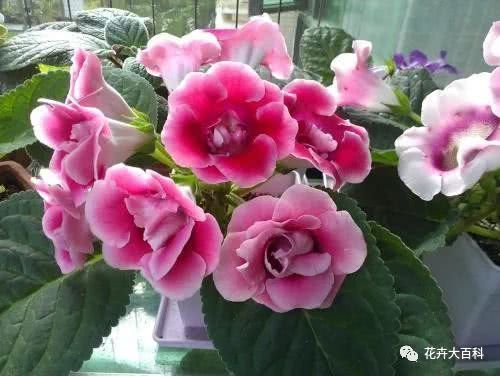
Gloxinia has a long flowering period, comes in many colors, and has gorgeous blooms, making it increasingly popular among flower-growing friends and a new favorite for balcony bonsai, indoor cultivation, and flower bed growing. Today let's talk about how to grow this beautiful flower, and the points to note during growing~
Light & Soil
Gloxinia is a semi-shade plant and does not particularly like direct sunlight. During high summer temperatures, be sure to provide appropriate shading; it is best to receive diffused light, and adjustments can be made according to actual conditions. Indoor-grown gloxinia should be placed in a well-ventilated spot with diffused light for care. For soil, choose loose, fertile humus soil with good drainage, and it is best to use slightly acidic soil for cultivation.
Temperature Control
The growing temperature requirements for gloxinia vary with the different seasons. From January to October is the growing period for gloxinia, and a warm environment suits its growth. When environmental humidity is high, the leaves grow more luxuriantly and the whole plant is more emerald green. During the winter dormant period, it is the exact opposite; at this time the environment needs to stay dry, as excessive moisture will cause the roots and stems of gloxinia to rot.
Watering Matters
Watering gloxinia is a technical task, so it must be treated with special care. Because gloxinia leaves have lots of fine fuzz, you must be very careful when watering and fertilizing. Do not water onto the leaves, otherwise it can very easily cause the leaves to rot.
Watering must be done in moderation. Too much water will cause waterlogging and root rot, while too little water will cause the plant to dry out. The watering method for gloxinia: reduce watering after flowering, and also control the amount of water when the air is humid in summer; when watering normally, make sure to water thoroughly.
Gloxinia Propagation Methods for Full Pots
Gloxinia propagation methods are very simple, including seed sowing, bud cuttings, leaf cuttings, and bulb division. Planting one small plant can grow into a large pot. For the gloxinia leaf cutting method, after gloxinia blooms, select the healthiest leaves on the plant and cut them off together with the petiole. Cut off half of the leaf, dip it in rooting powder, let it dry slightly, then insert the leaf into a sand pot and water thoroughly. Place it in a cool, ventilated spot for care. After about one and a half months, it will be able to take root, and at this point it can be transplanted into another flower pot.
This is the Flower Encyclopedia for those who love life and love flowers
The world of flowers is our yearning for a beautiful life
In ordinary, uneventful days, let the world of flowers bring you a happy good mood every day
Sharing flower-growing experience every day; friends who love flowers and grow flowers, remember to follow us