There's a right way to let orchids get rained on, and these three situations should be avoided
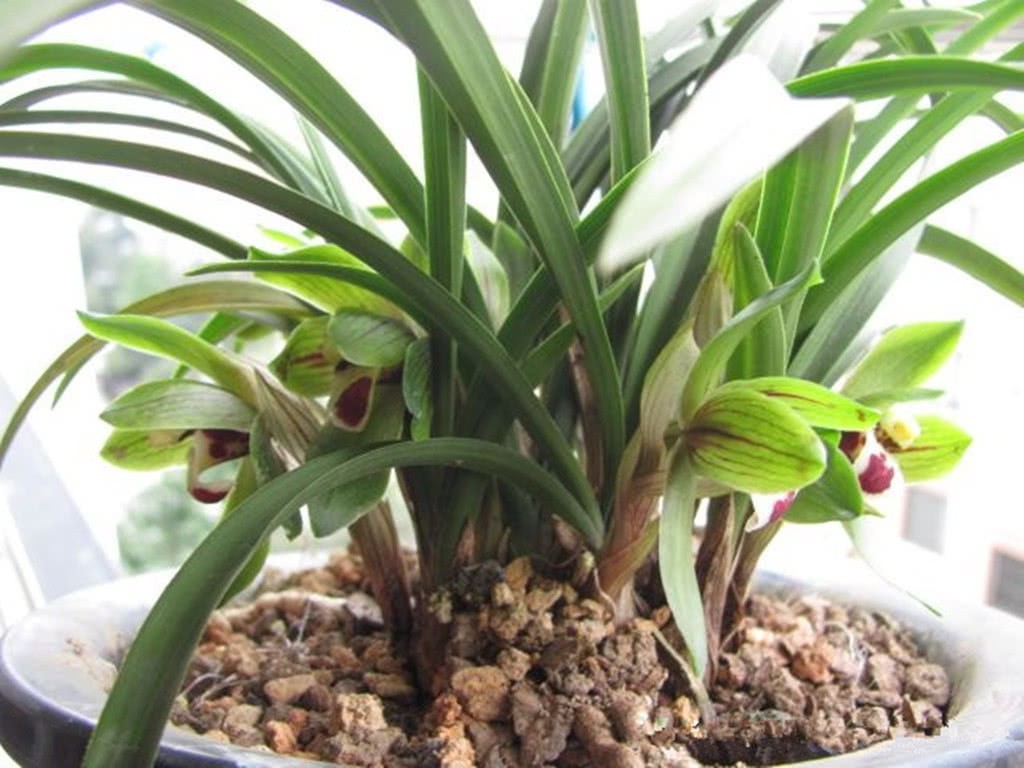
There's a right way to let orchids get rained on, especially when these three situations come up, so if you can't handle them, at least stay out of their way!
Wild orchids live in quiet, clean environments. However, after orchids were brought into cultivation, their original vast natural world became a small domestic one. The environment has changed, and the seemingly simple matter of letting orchids get rained on also calls for careful judgment depending on the conditions. Otherwise, there is a very high chance the orchids will be killed by the rain. In that case, if you can't handle it, at least stay out of its way! So which situations are these?
First, places with good air quality are suitable for letting orchids get rained on, while heavily polluted areas should be avoided. In their native habitats, orchids enjoy fresh air, and under the nourishment of rain and dew they are full of vitality. After being collected from the mountains and potted, because climates vary enormously from place to place and air quality differs greatly, whether orchids can receive nature's baptism of rain and dew should be handled differently. In areas with good air quality, during the rainy season you can let orchids get some rain, as the nourishment of rain and dew makes the orchid seedlings strong; but in places with severe air pollution, where acid rain is more common, letting orchids get rained on very easily leads to all kinds of diseases, bringing nothing but harm and no benefit at all, so orchids should absolutely be kept out of the rain.
Second, gentle breezes and fine rain are suitable, while "sun showers" and violent storms should be avoided. In places with good air quality, the most suitable rain for orchids is the long-lasting gentle breeze and fine rain; once the rain passes and the sky clears, the orchid seedlings look especially spirited and grow quickly. During the growing season, orchids fear most the "sun showers" and violent storms of the hot season.
The so-called "sun shower" refers to the short bursts of thunderstorms in summer when it alternates between clear skies and rain. This kind of rain comes on fiercely and does not last long, and often the heat accumulates in the pot without dispersing while the blazing sun is still overhead, which very easily causes new shoots to rot at the heart and orchid roots to suffer from overheating and develop disease. When a "sun shower" occurs, orchid growers should promptly water the orchids to dispel the summer heat in the pot at once, and strengthen ventilation to dry out the moisture in the leaf hearts of new shoots as quickly as possible. Violent storms in the hot season easily snap and batter orchid leaves, splashing pot soil onto the leaves and into the leaf hearts, which often causes spots on the orchid leaves and rot at the heart of the orchid. Therefore, whenever violent storms occur, measures should be taken quickly to shelter the orchids from wind and rain.
Third, healthy seedlings are suitable for getting rained on, while diseased seedlings should be avoided. Practice has proven that in places suitable for rain, letting robust orchid and cymbidium plants bathe in rain and dew makes the seedlings grow stronger day by day; but for diseased seedlings the effect is the opposite, and the more they get rained on, the more severe the disease becomes; for diseased seedlings it is better not to let them get rained on at all.
At the same time, thank you for taking your precious time out of your busy schedule to read patiently; reading takes you to a higher level. In addition, if you have any thoughts or opinions, you are welcome to post them in the comment section below, and you are welcome to bookmark or share! Click the word "Follow" and you will be able to read more articles about orchid care