Rose blooms exceed 300 flowers: seize the right timing and conditions
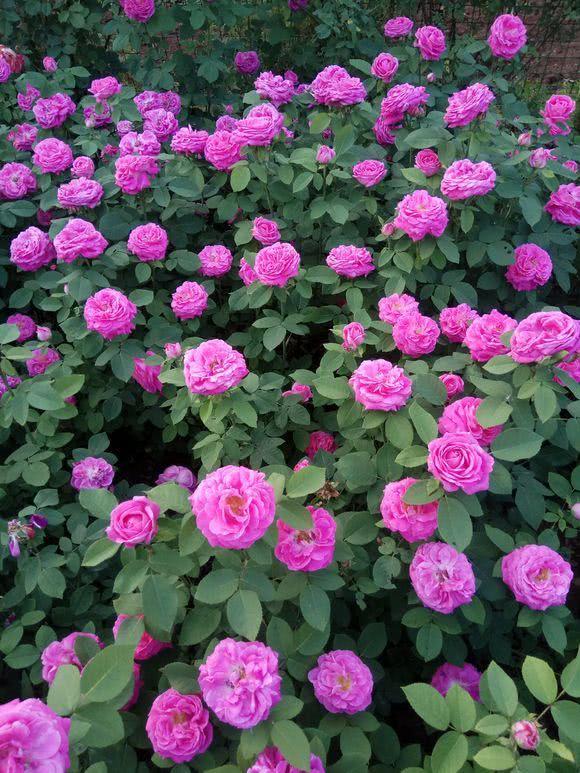
The sprouting vigor and explosive blooming power of roses are unmatched by ordinary roses, so when caring for roses, fertilizing and pruning are indispensable. Of course, fertilizing should be done well as part of the daily routine, while pruning requires seizing the right timing, so that the roses can be revitalized and guaranteed to bloom in their most beautiful state.
Jiangsu, Zhejiang and Shanghai
When pruning roses, it is best to choose the coldest timing. In the Jiangsu, Zhejiang and Shanghai area, the pruning timing should be in January and February, because this is the coldest time, when roses enter dormancy, and pruning at this time has relatively little impact on the roses.
If you prune earlier than this time, when the temperature is relatively high, the pruned roses will immediately sprout new buds, and when the temperature drops, they will be damaged. If you prune later than this time, the nutrients will have been transported to the unpruned branches and leaves during winter dormancy, and cutting them off then would waste nutrients.
After pruning, be sure to replenish nutrients for the roses. You can use organic fertilizer fermented from sugarcane stalks, rich in nitrogen, phosphorus and potassium in a balanced way. Use it once a week, only 6 fen per use, diluted 500 times, and one bottle can last 1 year.
Choosing branches to prune
Dead branches: after growing for some time, dead branches inevitably appear; just cut them off from the base.
Diseased branches: branches with pests or diseases must be cut off in time, generally cutting 2 cm below the pest damage; otherwise it can easily cause more serious disease.
Weak branches: thin, weak branches that are unable to produce lush blooms should be cut off from the base.
Inner branches: branches that grow inward and cross each other, affecting the ventilation and light exposure of the whole plant, should be cut off from the base.
During the growth period of roses, besides cutting branches, you should also regulate the plant's internal environment. You can use organic nutrient solution to retain fertilizer, rich in nitrogen, phosphorus and potassium, promoting the roses to grow rapidly, with strong plants, glossy green leaves, vigorous blooming and strong resistance.
Pruning tips
If it is a branch that bloomed last year, keep 2-3 bud points and start pruning from the middle, which helps the plant shape become fuller, can grow inward, and cut off the upper branch about 5-8 mm above the bud point.
If strong branches grow relatively long, they should also be properly cut back to promote more sprouting and blooming. Old branches should preferably be pruned from the base, leaving more nutrients to produce new flowers.
Image source: Zhong'ai Yueji