Detailed Guide to Hydroponic Cultivation of Dendrobium officinale
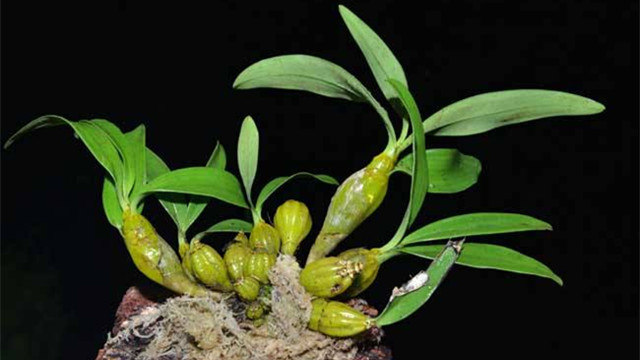
I. Hydroponic Method
1. Selecting Dendrobium officinale for Hydroponics
Before hydroponic cultivation, first select a plant suitable for hydroponics. Seedlings of Dendrobium officinale that have grown for over 2 years and have already been acclimatized are best, or you can cut off some branches and flower buds from an older plant.
2. Preparing the Hydroponic Plant
Carefully wash the selected plant, rinse off the soil on it, and cut away any rotten, old or diseased roots. After that, soak it in a solution containing carbendazim to prevent the root wounds from being infected by pathogens. Once disinfected, place it in a shady spot to dry, and then it is ready for hydroponic cultivation.
3. Preparing the Hydroponic Container
When choosing a hydroponic container, it is best to use a bottle with good transparency and a neck, because this allows Dendrobium officinale to be fully integrated into the water. If you cannot find such a bottle, you can secure it with tape.
4. Carrying Out Hydroponic Cultivation
Place the prepared hydroponic plant in the bottle, then start adding water. You can add a suitable amount of plant nutrient solution to the water, usually amino acids or enzymes; apple cider vinegar also works. But no matter which one you use, do not add too much - just one small bottle capful is enough. If you do not want to use these, you can also just buy a nutrient solution.
5. Changing the Water and Nutrient Solution in Time
During hydroponic cultivation, be sure to change the water and nutrient solution regularly. In spring, an interval of 7 to 10 days is best. In winter, you can wait longer, because the temperature is low at this time and the plant consumes less nutrients, so changing it about once every 15 days is best. In summer, its respiration is high and nutrient consumption is fast, so you need to change the nutrient solution and water every 4 to 5 days. Only in this way can it be grown well hydroponically.
II. Precautions
When growing it hydroponically, note that the roots cannot remain completely in the water - two-thirds should be left outside. In addition, make sure there is good ventilation.