How to Grow Camellias? Detailed Guide to Care Methods and Precautions
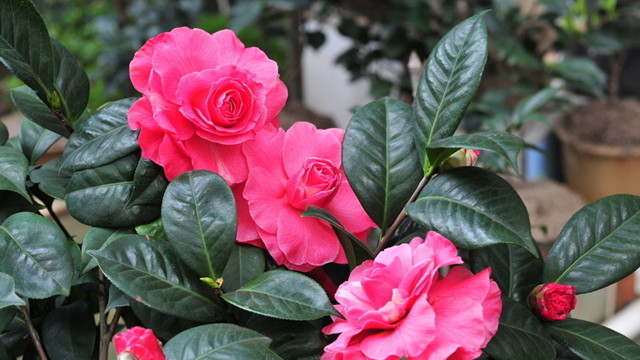
1. Soil
Potting soil is important for the growth of camellias, so soil selection must be done carefully. Usually, soil with high humus content and slight acidity is the main choice, as this can meet its soil requirements.
2. Temperature
Camellias fear both high and low temperatures, so the best temperature range is between 18 and 25 degrees. If the temperature is too high or too low, it will affect their growth. Especially in winter, they should be moved back indoors for care, and at noon when there is sun, they can be moved to the balcony. In summer, prevent exposure to intense sun and excessively high temperatures.
3. Watering
Camellias like moist places very much, so water is very important to them, but it is necessary to ensure the amount of watering is appropriate. They cannot be too dry or too wet, otherwise root growth will be affected. In summer, more water can be given to help them grow. In winter, the amount of watering needs to be reduced, watering once every 2 to 3 days is enough, to prevent cold damage.
4. Fertilizing
Camellias like fertilizer, so during care, the amount of fertilizer should be sufficient. Especially during the growing season, in addition to adding fertilizer that benefits growth, phosphorus fertilizer should also be added, which can promote more vivid flowers later. But remember not to apply too much fertilizer, otherwise root growth will be affected.
5. Regular
Pruning is also very important in care. When there are too many flower buds, regular pruning is needed. Cut off the weak branches above and tidy up the flower buds, which can promote better absorption of nutrients.
6. Pests and Diseases
Camellias are very prone to pests and diseases, and the common one is black mold, which causes great harm to the plant. Therefore, during periods when they are susceptible to pests and diseases, some medicine should be sprayed on them to prevent pest and disease damage, so as to help them grow better.