How to grow azaleas? Detailed guide to cultivation methods and precautions
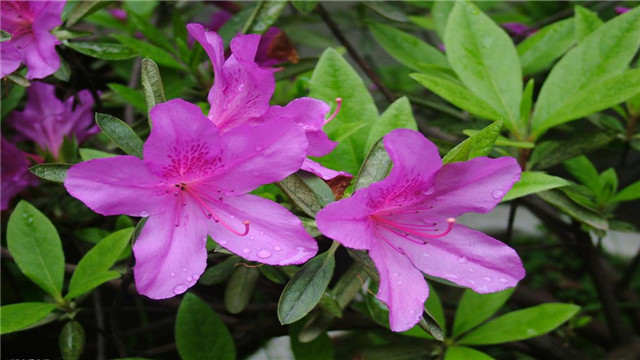
1. Soil
Azaleas prefer loose, fertile, weakly acidic soil with good drainage and aeration. They dislike heavy, sticky, alkaline soil. So we can mix leaf mold, peat soil and sandy soil in a ratio of 5:2:3 as the soil for growing them. Before planting or transplanting, a small amount of bone meal can be mixed into the soil to increase its mineral content.
2. Temperature
The most suitable temperature for azalea growth is 15-25°C. In spring or autumn, try to keep it growing within this temperature range. In summer, when temperatures are relatively high, pay attention to temperature control; the maximum must not exceed 32°C. In winter, when temperatures are relatively low, move it indoors promptly and keep the temperature above 5°C.
3. Watering
Watering azaleas is a skilled task: too much water easily causes root rot, while too little causes dry leaves. Generally speaking, in early spring we only need to keep the potting soil moist. In late spring and early summer, as it prepares to bloom, its water demand increases greatly, so watering should be slightly more generous. In summer, when the temperature is too high, besides watering, also spray some water on the plant. In autumn, as the weather turns cooler, watering needs to be moderately controlled, letting the potting soil dry out slightly. In winter, after it enters dormancy, watering should be reduced.
4. Precautions
1. Pruning. Azaleas grow relatively fast and easily become very dense, which causes many inner branches and leaves to receive no light and be unable to grow healthily. So prune them promptly; this not only makes them look better but also keeps them healthier.
2. Repotting. Azalea growth consumes nutrients from the soil. After one or two years of growing, the nutrients in the soil will have been absorbed completely. At this point, replace it with fresh nutrient-rich soil so it can continue to grow healthily.