How to grow Rohdea japonica? Detailed guide to cultivation methods and precautions
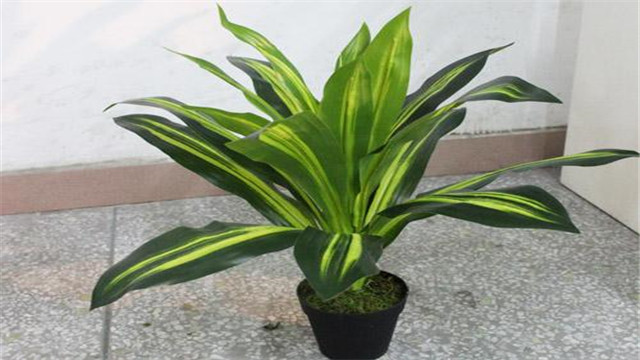
1. Soil
To grow Rohdea japonica, you can mix equal parts of humus soil, forest leaf mold, sandy vegetable garden soil, furnace cinder ash and barnyard manure to use as the soil for growing it. After mixing the soil, it needs to be sterilized before use; either sun exposure or dry-frying will work.
2. Temperature
Rohdea japonica grows best in an environment of 20-30°C. If the temperature is too high, it will wilt and look listless. In addition, the temperature must not be too low, because below 7°C it will affect its normal growth.
3. Light
Rohdea japonica is a relatively shade-loving plant and cannot be exposed to the sun for long periods. During normal care, it needs to be placed in a semi-shaded spot and given indirect light, but in winter the light intensity is relatively weak, so it should be given plenty of sunlight.
4. Watering
Rohdea japonica likes a relatively moist growing environment, but too much water can easily cause root rot. So before watering, pay attention to the wet or dry state of the soil, and wait until the soil starts to dry out before watering. Do not water too much at one time; just keep the soil moist.
5. Precautions
1. Prune in time. In early spring, the aged branches and leaves of Rohdea japonica need to be pruned in time. This not only helps its new branches and buds grow, but also makes it more attractive.
2. Fertilize in appropriate amounts. During the spring growing season, apply a diluted compound fertilizer to Rohdea japonica once every half month, giving it sufficient nutrients to support the growth of its new branches and buds.