How to Grow Tradescantia zebrina? Detailed Guide to Cultivation Methods and Precautions
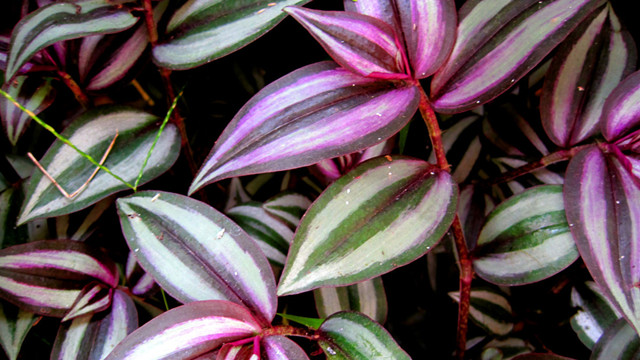
I. Cultivation Methods
1. Soil
Although it has low requirements for soil, the soil must still be loose and fertile. The best growing medium here is a mix of leaf mold, garden soil, and river sand.
2. Sunlight
It is very afraid of strong light, so during normal care it should be placed in a shady spot, but the light must still be bright, otherwise its growth will be affected.
3. Temperature
It likes a warm environment, and the ideal temperature range is between 18 and 30 degrees. In winter, to prevent frost damage, the temperature must be kept above 10 degrees. If it drops below 4 degrees, it will enter a dormant state, and if it drops below 0 degrees, it will freeze to death.
4. Fertilizing
It is very fond of fertilizer and has high demands for fertilizer and water, but you must not fertilize it carelessly, for example with concentrated fertilizer or fertilizer skewed toward nitrogen or phosphorus and potassium. Be sure to keep the fertilizer concentration low and apply it frequently, so that its nutrition stays balanced.
5. Pruning
On plants that have been grown for a long time, the leaves often drop, which affects their appearance. So the overly long branches and leaves need to be cut off to encourage new branches to sprout and grow more new leaves.
II. Precautions
1. When growing it in spring, choose a spot near a window to ensure enough light, otherwise the stems will grow rapidly and it will produce fewer flowers.
2. It likes higher humidity. If the air is too dry, the leaves will easily dry out and the leaf tips will turn yellow, so during the growing season, spray water on the leaves at the right times to increase air humidity.
3. In winter, keep the room temperature above 5 degrees so it can safely get through the winter. At the same time, do not water too much, to prevent root rot and yellow leaves.
4. During growth, to keep its branches and leaves well-formed, when the stems grow to 20 to 30 cm, pinch out the growing tips appropriately to encourage new branches to sprout, otherwise the branches will grow thin and weak, which affects their appearance.