How to grow rain lilies? Detailed growing methods and precautions
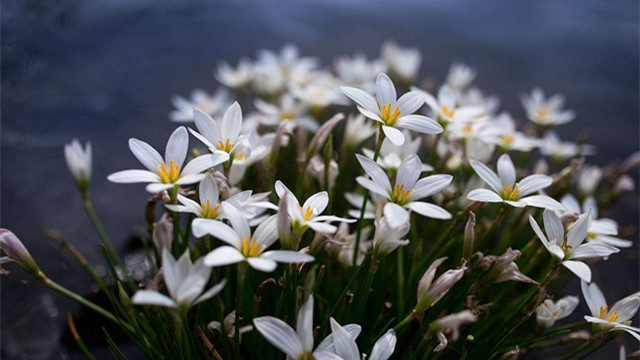
1. Choose a suitable flower pot
Rain lilies are quite easy to grow. When choosing a pot, an ordinary one will do, but the pot size depends on how big its bulbs are. If there are many large bulbs, you can use a slightly larger pot; usually a 20 to 30 cm pot can hold 5 to 6 rain lilies, and a slightly larger one can hold 10.
2. Suitable soil
It does not have high requirements for potting soil. If grown in a pot, the soil needs to be somewhat fertile; here sandy loam is mainly used, which can ensure its normal growth.
3. Plant correctly
When planting it, the method matters. First dig holes along the edge of the flower pot, with the holes 3 to 5 cm in size, then place one plant in each hole, and after that cover with soil, with a thickness of 2 to 3 cm being best.
4. Water appropriately
It does not need much water, but the soil should be kept appropriately moist and not too dry. However, it should not be too moist either; drain it regularly, do not let water accumulate, to prevent root rot. At the same time, it is best to water in the morning and evening.
5. Fertilize moderately
When adding fertilizer to it, use mainly organic fertilizer, NPK fertilizer or compost, but do not apply it too often; once every 2 to 3 months is best, so that it can bloom more and more beautifully.
6. Suitable light and temperature
The key to growing rain lilies well is suitable light and temperature. Usually place it in a spot with plenty of sunlight, otherwise its growth will be affected, and keep the temperature between 29 and 30 degrees.
7. Prevent pests and diseases
Although it has very few pests and diseases, if the potting soil is not fully decomposed, it will attract pests such as whiteflies. In this case, spray with a low-toxicity insecticide to kill the pests.