Proper fertilizing for orchids: foliar feed is a double-edged sword, use it right to boost growth, use it wrong and growth stalls
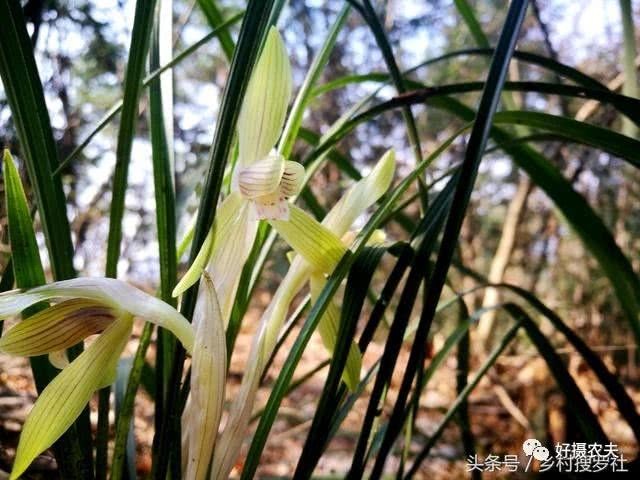
How should orchids be fertilized in spring? I generally advocate not fertilizing, because at this time the orchids are just rooting and sprouting, and the tender shoots are the most afraid of fertilizer - if it touches them, they rot, so if the potting medium has enough nutrients, don't fertilize.
Orchid tender shoots are most afraid of waterlogging and fertilizer burn; they like a dry, slightly moist and airy potting medium. Generally, if the mother plant is plump and strong with a dark green, robust color, then basically no fertilizing is needed, and you can wait until the new shoots emerge before deciding based on the situation.
At this time, if the plant is not robust enough and you want to supplement with some nutrients, I suggest using foliar feed. The advantage of foliar feed is that it does not harm the roots or shoots, is absorbed directly through the leaf pores, and takes effect quickly.
There are two things to watch out for when spraying orchids with foliar feed:
1. Do not make it too concentrated; better too dilute than too strong. Generally, potassium dihydrogen phosphate plus urea is used for spraying, strictly following the dosage on the instructions.
2. Do not use it frequently. Foliar feed can only serve as a supplement and cannot replace root fertilizer; using it too much will affect the roots' ability to take up nutrients. It is like the principle that people should get energy from food, not from an IV drip.