These 3 fresh, delicate small foliage potted plants are beautiful and easy to care for, making them the top choice for beginners
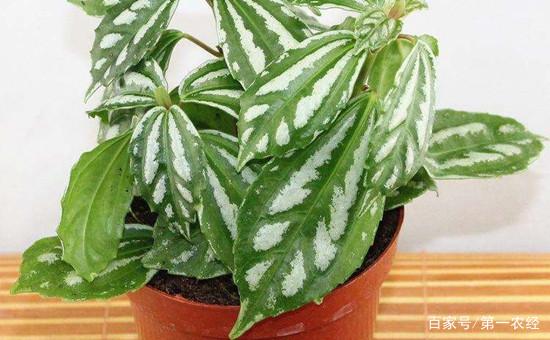
Many friends like to keep some potted plants at home. While greening the home environment, they can also help purify the air and have excellent ornamental value. As for choosing potted plants, many friends like to grow some flowering plants and look forward to them blooming every day, but the results are often disappointing. At this point, you might as well grow some foliage plants. Although they do not have gorgeous flowers, their ornamental value is no less than that of flowering plants. At the same time, foliage plants are also relatively easy to care for and manage. They are both beautiful and easy to grow, making them a very good choice. So, which foliage plants are beautiful and easy to grow? Below are 3 beautiful and easy-to-grow small foliage potted plants. Especially in summer, they can also be pleasing to the eye and refreshing. Let us learn about them together!
I. How to care for Pilea cadierei (aluminum plant)
Pilea cadierei, or aluminum plant, and its appearance can be guessed from the name. The white and green on the leaves set each other off, as if carefully painted by a painter, looking very fresh and elegant. Especially in summer, a sense of coolness comes rushing toward you. Aluminum plant is very shade tolerant, but it prefers sufficient light and strong direct sunlight should be avoided. In summer, place the pot by a north-facing window, and in winter place it by a south-facing window. If the light is too dim, the leaf color will fade. If the sunlight is too strong, the leaves will be scorched. The suitable growth temperature is 18-22°C, and the overwintering temperature should not be lower than 7°C. Keep the potting soil of aluminum plant dry without cracking and moist without being wet, which is best. In summer, frequently spraying water on the leaf surface can keep the leaves clean and glossy. In winter, spray less water on the leaf surface, otherwise black spots will appear on the leaves, and they may even turn black and rot. During the growing season, apply a 20-80 or 30-70 nitrogen liquid fertilizer about once every two weeks to promote robust plant growth. After autumn, increase the application of phosphorus and potassium fertilizers to strengthen the stems and prevent lodging. Aluminum plant should be repotted at least once a year in spring. During the growth period, fertilize about once a week, applying nutrient solution once. When aluminum plant has been cultivated for too long and its growth becomes slow, it should be pruned in time, otherwise the ornamental effect will be reduced. Aluminum plant likes relatively strong indirect light. In summer, block more than 70 percent of the sunlight. If the sunlight is too strong, the leaves will be scorched. In winter, no shading is needed, or only slight shading.
II. How to care for Adiantum (maidenhair fern)
Maidenhair fern is a very fresh and delicate type of fern. Its leaves look especially similar to ginkgo leaves, thin and green, very cute. It is a very good foliage plant with high ornamental value. In the care process of maidenhair fern, the care differs across the four seasons. Spring and autumn are the growing seasons for ferns, so thin fertilizer can be applied according to need and growth conditions. If you want to grow a large pot, you can apply fertilizer once a week after repotting into a large pot. The fertilizer concentration should be low, for example 0.1% compound fertilizer (preferably imported or specially formulated fertilizer for flowers) or leachate. At the same time, maintain humidity. Spray water on the leaf surface once every other morning, and water thoroughly once a week. In summer, ventilation should be maintained. Spray water on the leaf surface once each in the morning and evening every day. If the leaf surface shrivels at noon, you can spray water on the leaf surface at any time or spray water into the surrounding environment to increase air humidity, so as to ensure good growth. Water thoroughly once every 5 days. Of course, you can decide the number of thorough waterings yourself based on the potting soil conditions. In winter, try to maintain indoor temperature, and keeping the room from freezing is best. From last year's situation, short-term low temperatures of -5°C will not cause major harm to it. Spray water on the leaf surface once every 2 days (if indoor humidity is sufficient, it is fine not to spray), and water thoroughly once every 10 days. In winter, just keep the potting soil moist, and never too wet, otherwise it is prone to freezing damage.
III. How to care for Hydrocotyle vulgaris (coin grass)
Coin grass has small leaves with wavy leaf edges, and is very likable. Moreover, the leaves remain emerald green all year round and are very pleasing to look at. Its care is even simpler. It can fill the pot even without fertilizer. It can be planted directly in water, or grown in soil, and it survives very easily either way. In the care process of coin grass, coin grass prefers warmth and high temperatures, with 80% sunlight being suitable. Insufficient light or excessive shading will cause the stems to become leggy and the leaves to turn yellow and rot. Use a medium with good water retention and keep it moist at all times. The amphibious coin grass is commonly seen in aquatic ponds, wetlands, and other spaces, and is also very suitable for water trays and aquariums. Coin grass generally does not need heavy pruning. When the leaves are too dense, promptly remove withered lower leaves and outer old leaves and diseased leaves to improve light and ventilation conditions. In spring, when the roots fill the pot, repot it and divide and reshape the plant. If the plant grows too tall, prune it lower to encourage new shoots to sprout from the base of the stems and leaves. Coin grass sometimes develops yellow leaves, mainly caused by the following reasons, which should be avoided as much as possible. First, the potting soil is wet for a long time or dry for a long time, without watering as soon as it dries. Second, the root system has already been frostbitten in winter. Third, in spring it is moved outdoors too eagerly, and coin grass cannot adapt to the sudden climate change for a while. Fourth, it is placed for a long time in an environment with poor ventilation. Fifth, the leaf surface is not sprayed and cleaned for a long time, accumulating dust and hindering photosynthesis.