11 Highly Poisonous Plants, Some Are Right Around Us
Plants grow in all kinds of shapes to protect themselves, but some grow to look very tempting while being easily fatal. If you see these plants in the wild, be sure to stay as far away as possible, and do not eat them by mistake. Of course, the first thing is to know about them!
1. English yew
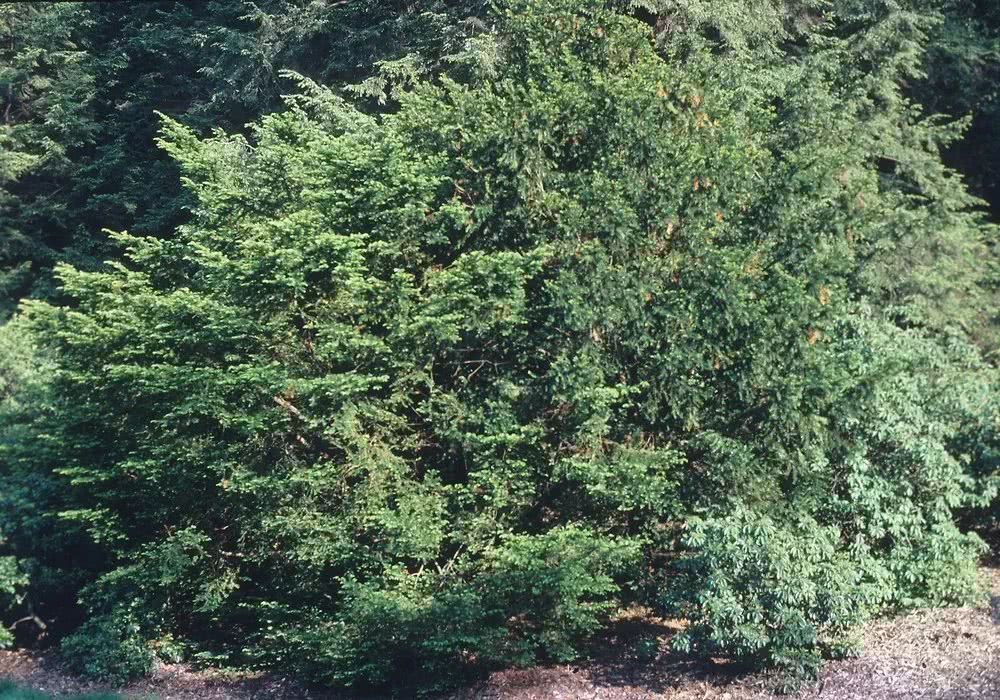
The juicy, tender-looking berries are all a deception, because it is one of the most fatally poisonous tree species on Earth. This tree has juicy red berries wrapped around it, and its seeds are extremely poisonous.
But these berries are harmless to some birds. For humans, just 50 grams is enough to be fatal. Eating them by mistake causes convulsions and muscle tremors, and ultimately cardiac arrest.
2. Poison hemlock
This poison was widely used to carry out executions in ancient Greece, and the most famous case is the great Socrates, who died after drinking the poisoned cup made from poison hemlock.
The poison in poison hemlock is called "conine," which affects the body neurologically and can cause paralysis. It starts from the legs and moves upward until the respiratory system and muscles are affected, causing death within minutes of ingestion. (In our country, there are also cases of people picking wild celery and accidentally eating poison hemlock.)
3. Oleander
Oleander is a very beautiful flowering garden plant native to Asia, but it has now spread throughout the Mediterranean region and North America.
Eating any part of this plant by mistake causes bloody stools, vomiting and irregular heartbeat. The entire plant contains a substance called cardiac glycoside, and eating it by mistake can cause cardiac arrest. Even if this plant is burned for cooking, it releases toxins, and inhaling too much can harm humans.
4. White snakeroot
A poisonous plant that grows in the grasslands and pastures of North America. When herbivores such as cattle eat it, it can trigger a disease called "trembles," and even the milk from cattle that eat this grass is poisonous.
Although this plant is used as a treatment for snake bites, eating it by mistake can cause immediate death in humans. It causes vomiting, thirst, and ultimately death.
It is widely believed that the mother of U.S. President Lincoln died because she drank milk from cattle that had eaten this grass.
5. Doll's eyes (Actaea pachypoda)
Foreigners call it "doll's eyes." It is a flowering plant native to the eastern United States. This plant looks very eerie; its small white berries each have a small black dot, making them look like eyes.
The entire plant is poisonous to humans, and its most dangerous part is the fruit. There have been cases of small children being attracted to it and eating its berries by mistake. Although it tastes very sweet, eating it by mistake or taking too much of the plant can cause cardiac arrest and death, but the toxin is harmless to birds.
PS: There is a red variety that plant lovers should have seen; it is also quite common in our country.
6. Suicide tree
The suicide tree is native to India and the tropical regions of Southeast Asia. This plant is called Cerbera manghas, and its fruit has long been used as a suicide poison, which is how it got this name.
Although the fruit has the fragrance of jasmine, eating it by mistake causes chaotic heartbeat, and convulsions stimulate the nervous system, causing sudden death. (It has been used for murder.)
7. Manchineel tree
Also known as the manchineel, it is native to the U.S. state of Florida. This tree is highly poisonous. Its fruit looks like a small apple, and after eating it you cannot even feel your tongue; the toxicity is extremely strong. However, the fruit is actually the least toxic part of the entire tree.
Its sap is the most toxic part; a single drop can cause skin blistering, inflammation, swelling and severe pain.
8. Antiaris toxicaria (poison arrow tree)
It is one of the most poisonous plant species in the world, and its sap is a milky white poison. Once the sap enters the bloodstream, there is a risk to life. Ancient people often smeared it on arrowheads to shoot wild beasts or enemies. It can be seen in Hainan and the Xishuangbanna Botanical Garden in our country.
9. Abrus precatorius (love pea)
Abrus precatorius is one of the most deadly plants known to humans. It is native to Indonesia. The seeds of this plant are bright red with a black spot at the top. The toxic protein inside the seeds of Abrus precatorius is very deadly; inhaling less than 3 micrograms can kill a person, and a single seed is enough to be fatal. (Some people use these seeds to make prayer beads; once they are broken open, a person will be poisoned. Only intact, undamaged ones are non-toxic, which shows how toxic it is.)
10. Gelsemium elegans
Gelsemium elegans is the plant Gelsemium elegans of the family Gelsemiaceae, a vine found in the wild in southern regions. Its main toxic substance is gelsemine. According to records, after eating it the intestines turn black and stick together, and a person dies from continuous abdominal pain.
11. Castor bean
Castor beans contain ricin, and eating them by mistake causes poisoning. There are many varieties, and although some are not very toxic, an excessive amount can also cause death in humans. For adults, 20 seeds can be fatal. Castor beans produced in Africa can kill an adult with 2 seeds.
But unexpectedly, its seeds are used to make castor oil, which has a very wide range of uses. This thing used to be planted at the front door, and you really would not think it was so poisonous.
In short, not all plants are as harmless as they look. Be on guard against these poisonous plants, and be sure to stay away from them!