How to Grow Lilacs and the Difference Between Lilacs and Hairy Lilacs
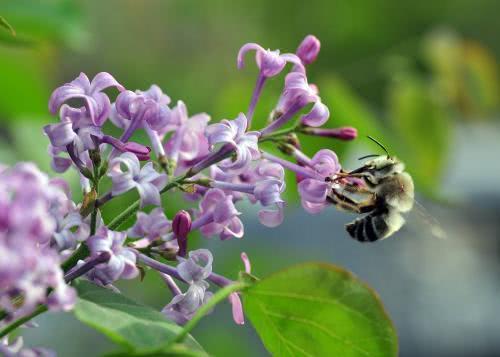
Lilac gets its name from its fragrance. Some people may think lilacs are delicate, but that is not the case. They are not the kind of indoor flower; many lilacs are native to the soil, and it is truly the beauty of lilacs that has attracted so many people to love them, with more and more people planting them in their own yards.
The pure and beautiful lilac comes with its own fragrant elegance and is absolutely one of the most ornamental plants for a yard. Its blooming flowers are elegant and charming in early spring, and the floral fragrance fills the whole yard, making it absolutely the best choice for your yard. So, here is exactly how to grow lilacs to bring out their most beautiful form.
How to Grow Lilacs
Growing lilacs is relatively simple compared with other plants. Lilacs are naturally quite tenacious, and wild lilacs also grow very well. When planting, we can choose division or cuttings; lilacs can be grown by many methods, so you only need to master the following key points.
1. Division Propagation
This is the most commonly used method for growing lilacs. What is division propagation? Simply put, it means pulling up an already grown lilac with its roots and then transplanting it to the place where you want to grow it. This is the simplest method. The reason this method works is that lilacs have strong vitality. One drawback of this planting method is that the beauty of the variety is not guaranteed.
2. Cutting Propagation
As cutting techniques have continued to mature, they are now used in many fields. Of course, if you want to grow a beautiful plant, this method can be used. We find a lilac plant you are satisfied with, take a branch, and insert it into the soil. After the branch re-roots, you can replant the lilac. Lilacs grown this way can retain the previous superior variety.
Growing Requirements
1. Sunlight Requirements
Lilacs have a very high demand for sunlight. Maintaining about ten hours of light time is what best cultivates lilacs.
2. Water and Fertilizer Requirements
Because lilacs have relatively strong vitality, their water and fertilizer needs do not have to be too great; an appropriate amount is enough.
The Difference Between Hairy Lilac and Lilac
As lilacs have gained people's affection, sellers have seized this business opportunity, and the market sells lilacs and hairy lilacs mixed together. These two flower species are different, and the difference between them is quite large. But if this has not been made widely known, you will fall for the seller's trick. Now let us explain the difference between lilacs and hairy lilacs.
The corolla of the hairy lilac is purplish red, and when in full bloom it is white. Overall it looks rather dull, without a bright feeling.
The petals of the lilac are both purple and red, with relatively vivid colors, giving people a feeling full of hope.