How to grow summer-growing succulents so they stay plump and round? A few tips for you
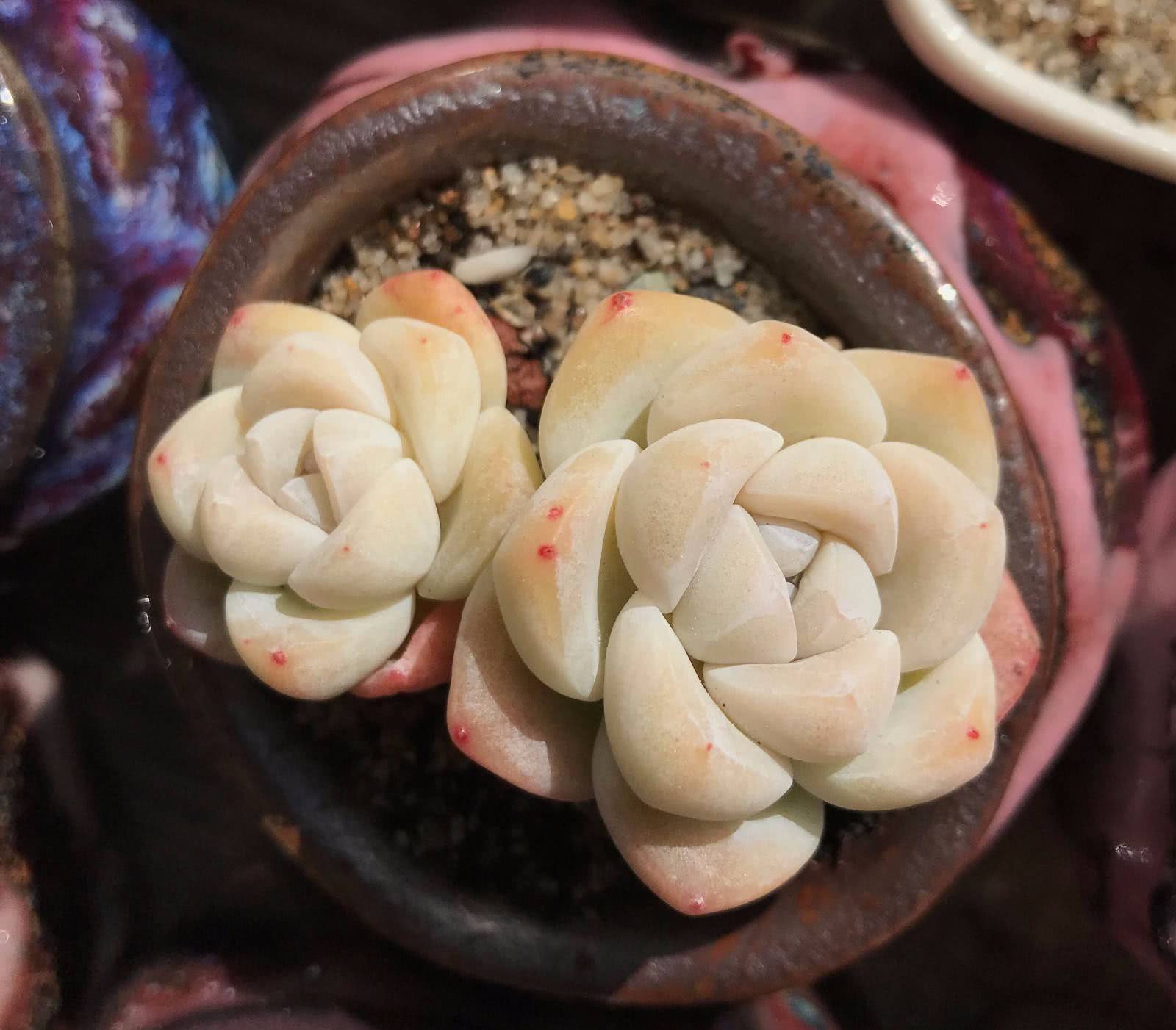
Tomorrow is the Start of Summer solar term. Today a friend was still murmuring to me: "The past two months were fairly easy for succulents, but now that summer is here and the weather is muggy, how will my little succulents get through this summer?" I'm sure everyone has this confusion. The editor will now teach you a few tips so your succulents can grow plump and chubby even in summer! Today let's teach you the key points for caring for summer-growing succulents:
1. Light: Summer-growing succulents are in their growth period during summer, so they should be given plenty of sunlight, but also be careful to avoid direct midday sun, otherwise the plants tend to grow leggy. In particular, the fleshy stems of succulents in the Cactaceae and Euphorbiaceae families will become slender due to insufficient light, and it is hard for them to recover. In addition, during the midsummer afternoon period when temperatures are above 35 degrees, intense direct sunlight can still damage some delicate varieties, so appropriate shading is needed.
2. Ventilation: No matter which type of succulent it is, it needs a good ventilated environment. In a muggy and humid environment, with no air circulation, it is neither conducive to water evaporation nor easy to lower the temperature, and rot can easily occur. In summer, air humidity is greater than in other seasons, so even the Haworthia genus, which likes high humidity, must leave the enclosed growing environment at this time.
3. Watering and water control: In summer, because the weather is hot, succulents most fear water accumulation. Water evaporates very quickly, so many people always feel that there is not enough water and water frequently, causing the roots to stay damp for a long time and rot, with no chance of recovery. In fact, summer air humidity is high. Although the soil surface may appear dry, the bottom is still not thoroughly dry, and southern regions especially need to pay attention. In summer, watering should be strictly controlled. When high temperatures above 35 degrees persist, you can consider cutting off water.
Even when watering, only use a pressure spray bottle to moisten the soil surface, and avoid scattering water droplets on the leaves. If obvious water droplets remain on the leaves, they should be blown away to prevent the droplets from concentrating strong light and scorching the leaves. Besides normally spraying water on succulents, you also need to be alert when the rainy season comes, to avoid succulents being damaged by hail and heavy rain.
4. Fertilizing: In summer, you also need to pay attention to the nutrition of succulents. When fertilizing, you need to fertilize appropriately according to different varieties. Fast-growing ones should be fertilized more, slow-growing ones less, or even not at all. You must not use chemical fertilizers! Important things must be said three times! If you have enough time, you can make organic fertilizer yourself, such as the watermelon rinds we often eat in summer. Doing it yourself is actually quite troublesome, because it takes quite a few days to ferment before it can be used. If your time is precious, the editor suggests you search online for organic nutrient solution. It is fermented by microorganisms, enhances plant constitution and resistance, can provide various trace elements needed by succulents, and is simple to use. Many users have given good feedback after using it, so you might as well learn about it.
5. Pest prevention: In summer, succulents are prone to producing small white insects called "mealybugs." They survive by sucking the plant's sap and can cause wilting and mold infections. Because their bodies have a layer of keratinous shell, ordinary insecticides have limited effect. When there are few, they can be removed by hand, and mealybugs can be wiped with a cotton ball dipped in vinegar or alcohol. If there are many, you can use a specialized pesticide, such as acetamiprid. It is recommended that you shade your succulents at night. Here is a kind of shade net to introduce: window screen. Yes, window screen, the kind installed on windows to keep out mosquitoes. It basically does not fade and is very good