Rose blooms non-stop, and daily care is the key
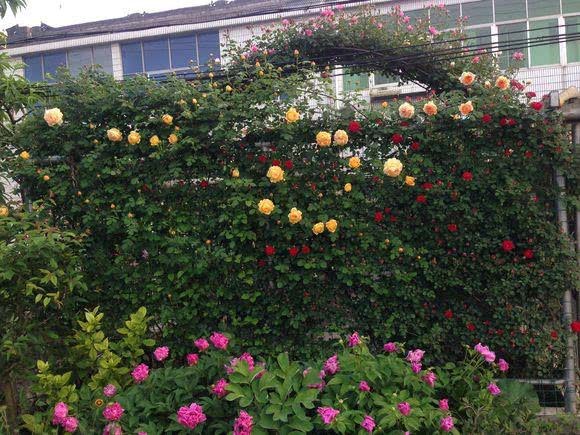
To make roses worthy of the reputation of "monthly red" and "queen of flowers," daily care methods are key. With good care, they keep blooming non-stop, from March to December, and even better, some bloom 13 months a year.
To make roses bloom continuously, first ensure long hours of light, and it must be full sun. Except in summer when they cannot be exposed to scorching sun, and during the seedling stage when newly cuttings and transplanted seedlings cannot be exposed to scorching sun, at other times just leave them growing outdoors.
Besides light, when growing roses, fertilizer must be chosen well and must be continuously replenished. In spring, you can add some cake fertilizer and okara fertilizer, but they must be well fermented. After entering the flowering period, increase diluted fertilizer, such as organic fertilizer fermented purely from plants, with relatively sufficient nitrogen, phosphorus, and potassium content, and also added various organic matter and minerals, to promote the plant's rapid growth, vigorous flowering, and strong vitality.
Roses like a moist environment, and they must not be allowed to dry out. Water thoroughly each time. In summer, watering is best done in the morning; at noon the temperature is too high, and roses are not tolerant of high temperatures, so also spray water mist appropriately to prevent rose leaves from being scorched.
Roses have relatively high water demand, so when watered more, the potting soil is more prone to compaction. Repotting once every 2 years is entirely normal, generally chosen in spring, and some base fertilizer should be appropriately added to the soil to meet the roses' long-term growth needs.
To make roses bloom more, grow faster, and reduce pests and diseases, pruning should also be done at any time to maintain the plant's shape, avoid wasting nutrients, and make the flowers more vivid.
In spring, remove excess buds and keep 3 main branches to concentrate nutrient supply. Before flowering, prune the flower buds and keep the main flower buds, so that the flowers can be large and brightly colored.