Things to Note When Growing Flowers: You Must Know These Points
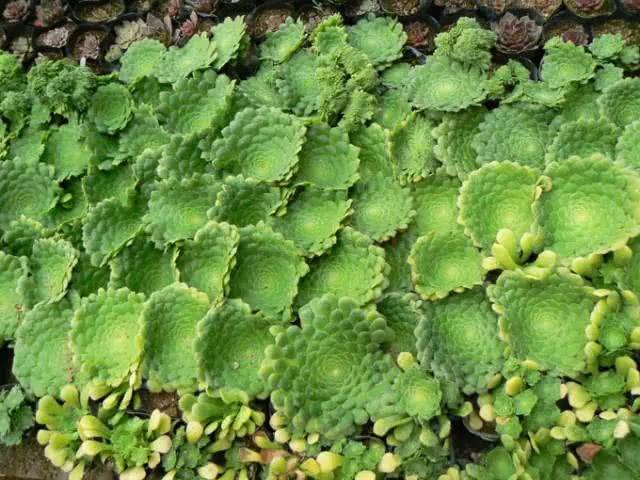
1The habits of the plant
When you are preparing to grow a certain plant, you must understand the habits of this flower, the amount of light it needs, the degree of moisture, whether it is afraid of heat or cold, and whether you have time to care for it. Only after fully understanding the situation should you get it.
2Choosing pots and soil
Flower pots include ceramic pots, clay pots, purple clay pots, glazed pots, plastic pots, etc. Ceramic pots and clay pots have the best breathability and are more suitable for delicate flowers and flowers that do not like too much moisture, followed by purple clay pots and glazed pots. Plastic pots have the worst breathability and do not absorb water. Generally, when using plastic pots to grow flowers, it is best to spread a layer of expanded clay pellets at the bottom of the pot to enhance water absorption.
Soil can be mixed yourself or bought directly. As long as it is a bit breathable, it is generally garden soil + peat soil + perlite + vermiculite. Vermiculite has good water retention, so for flowers that generally prefer to be on the dry side, do not add vermiculite.
3Fertilizers and insecticide supplies
Only when you fertilize flowers will they be beautiful. Flower fertilizers are divided into two types: organic fertilizers and chemical fertilizers. Organic fertilizers can be made at home, such as fermented chicken manure fertilizer and sheep manure fertilizer. When growing leaves, apply nitrogen fertilizer, such as urea, rice washing water, and water from rinsing milk bottles. Once flower buds begin to form, apply phosphorus fertilizer and potassium fertilizer.
Before flowering, apply once a week by spraying the leaf surface. Once it blooms, do not fertilize again. Do not fertilize in summer and winter.
Pests and diseases are one of the causes of flower death. If it suffers from stem rot, leaf rot, and powdery mildew, apply carbendazim or chlorothalonil. If common aphids, red spiders, scale insects, etc. are found, use insecticides to kill the insects.
4Watering properly
Watering seems simple, but it is the key to whether flowers live or die. Be sure to remember: do not water if not dry, and water thoroughly if dry.
Causes of death from watering:
1. Watering halfway (watering only half, not thoroughly)
2. Watering when not dry (thinking flowers must be watered every day; many flowers do not die from dryness but from overwatering)
5Pinching plants
(If you want the plant to have a good shape, you have to pinch.) Treat the reserved dry branches, basic branches, or side branches. Pinching is best done in the morning, removing the tips of newly sprouted branches.
The first pinching time is when the new shoots grow to half-woodiness, generally from late May to mid-June. About 1/3 of the new shoots are removed, and at the same time 1--3 leaves at the front end of the pinched branch should also be removed to facilitate bud germination.
Note:
To determine whether the flower is dry:
Weigh it by hand; the surface soil turns white and the flower pot becomes lighter.
2. Insert a toothpick 1 cm into the soil; if the toothpick is dry when pulled out.