Potting soil is a big topic, so let us teach you how to identify and use soil
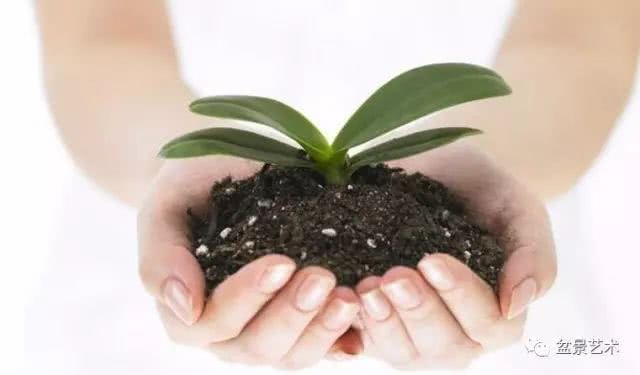
As an important foundation for plant growth, soil plays an extremely important role in the process of plant growth. However, depending on the growth needs of different plants, the composition of the soil also differs. Below, let us take a look at how to choose soil according to need.
1. The basic components of soil
The basic components of soil are sand, clay and humus (the substance formed after the remains of animals and plants decompose).
2. Ideal soil
Soil must have good drainage, water retention and air permeability, and be rich in the nutrients plants need, so that plants can grow well. Ideal soil is made by mixing equal proportions of sand, clay and humus. You should make the soil composition in your garden or vegetable plot close to this ratio.
3. Soilless cultivation
So-called soilless cultivation means not using soil, but instead using a growing medium (including rock wool, peat, vermiculite, perlite, bark, sawdust, water, etc.) and nutrient solution to grow plants. Soilless cultivation not only grows fast, yields high and produces good quality, but also has fewer pests and diseases, is clean and tidy, and only needs nutrient solution irrigation, making it very convenient to manage.
4. Culture soil for soil cultivation
Household vegetable growing can also use soil cultivation. Soil cultivation is relative to soilless cultivation, and it also has its advantages, such as a stronger buffering capacity for pH, good ability to retain fertilizer and water, and the activity of various beneficial bacteria being helpful to plant growth.
5. Household vegetable growing usually uses culture soil from organic cultivation
In order to meet the needs of the growth and development of potted flowers, according to the different soil requirements of various varieties, soil specially prepared artificially that contains rich nutrients, has good drainage and permeability (air permeability), can retain moisture and fertilizer, does not crack when dry, does not stick when wet, and does not form a crust after watering is called culture soil.
There are many types of culture soil, and commonly used ones include:
Leaf mold
It is made by piling up fallen leaves, dry grass, vegetable peelings and the like for fermentation and decomposition. Put these materials into a pit, layering one layer of leaves (or dry grass, vegetable peelings), one layer of garden soil, sprinkle some livestock or poultry manure and urine, repeat for several layers, cover with soil and seal the top. After more than half a year, mix the rotted leaves and so on with the garden soil, then sieve, sun-dry, and store for later use. This culture soil is rich in humus, has excellent physical properties, helps retain fertilizer and drain water, and is loose and acidic.
Barnyard manure soil
Barnyard manure is made by piling up cow dung, horse dung, pig dung, sheep dung, poultry dung with soil and weeds and so on for fermentation and decomposition. After decomposition it also needs to be sun-dried and sieved before use. It contains nutrients and humus.
Garden soil and field mud
Garden soil and field mud refer to the surface soil in a garden or field, that is, the mature soil used for cultivating crops after piling and sun exposure, then placed indoors for later use.
Pond mud
Pond mud is used more in the south. It is made by digging pond mud out and forming it into thin blocks, sun-drying them and storing them for later use. When using, break the thin blocks apart. Its advantages are that it is rich in fertilizer and drains well, and it is neutral or slightly alkaline.
Rice husk ash
Rice husk ash is mainly the ash from burning rice husks or rice straw, also called plant ash. It loosens the soil, helps drainage, contains potassium fertilizer, and is slightly alkaline.
Yellow sand
Generally, using river sand as culture soil helps drainage and aeration. Before use it must be rinsed with clean water to remove salts before use.
Sawdust
After piling sawdust for fermentation and decomposition, mix it with soil to make the culture soil loose and good at retaining water. It is a newly developed culture soil material in recent years.
Brick residue
Break tiles or bricks into pieces; this helps drainage and aeration, but lacks nutrients.
Garbage soil
Garbage soil is called "returned-soul soil." It is made by using the waste soil after repotting and then adding manure and piling it up. After this soil decomposes, sieve it and sun-dry it for later use.
How to prepare culture soil?
Because various plants differ in nutrient requirements, tolerance to acidity and alkalinity, and requirements for drainage and aeration, the mixing ratios also differ. The basic requirements for culture soil should follow these principles:
Have nutrients in appropriate proportions, including trace elements such as nitrogen, phosphorus and potassium.
Be required to be loose, well aerated and well drained.
Have no pests, diseases or other harmful substances that endanger the growth of flowers and trees, such as insect pupae.
Remove debris such as grass roots and gravel, sieve, and carry out general disinfection, such as sun exposure or heating and steaming.
The preparation methods of culture soil required by several different plants are as follows:
Soil for sowing and seedlings
2 parts leaf mold, 1 part garden soil, a small amount of barnyard manure, a small amount of sand. Or use 1 part leaf mold, 1 part garden soil, 1 part rice husk ash, and a small amount of barnyard manure.
Soil for general potted flowers
1 part leaf mold, 1 part garden soil, 0.5 part rice husk ash, 0.5 part barnyard manure soil. Or 1 part leaf mold, 1.5 parts garden soil, 0.5 part barnyard manure soil. Soil for shade- and moisture-tolerant plants: 0.5 part leaf mold, 2 parts garden soil, 1 part barnyard manure soil, 0.5 part rice husk ash.
Soil for cuttings
Because cuttings do not need nutrients before rooting, yellow sand or vermiculite is often used. For example, use 1 part garden soil and 1 part rice husk ash; or 1 part garden soil and 1 part leaf mold is also acceptable. For certain flowers, using rice husk ash alone for cuttings is also acceptable.
Soil for acid-loving plants
Use mountain soil or leaf mold and garden soil plus a small amount of yellow sand.
Soil for succulents
You can use 0.5 part yellow sand, 0.5 part garden soil, 1 part leaf mold. Or use 1 part brick residue and 1 part garden soil.
Soil for camellia, azalea and banana shrub
2 parts leaf mold, 1.5 parts yellow mud, 0.5 part charred mud ash, 1 part sand, plus a small amount of bone meal and so on.
Soil for orchids
At present, most people use black mountain soil, that is, leaf mold naturally accumulated from fallen leaves in mountain forests, or add a small amount of yellow sand to leaf mold.
In addition, there are also the following preparation methods for several soil types:
Loose soil
2 parts garden soil, 1 part rice husk ash. Suitable for cuttings.
Light fertile soil
1 part garden soil, 2 parts leaf mold, 1 part barnyard manure soil. Suitable for plants with weaker root development and for tiny seeds.
Heavy fertile soil
2 parts garden soil, 1 part leaf mold, 1 part barnyard manure, suitable for the cultivation of general flowers. Clay fertile soil: 2 parts garden soil, 1 part barnyard manure soil, suitable for cultivating plants with thick roots such as palms and cycads, and rhizomatous plants.
So, is it much easier to identify now? Potting soil is also quite a considerable field of knowledge, so if you want to grow potted plants you are happy with, everyone should also put more thought into the soil.