What to do when roses bloom less and less? Find the cause and solve it easily.
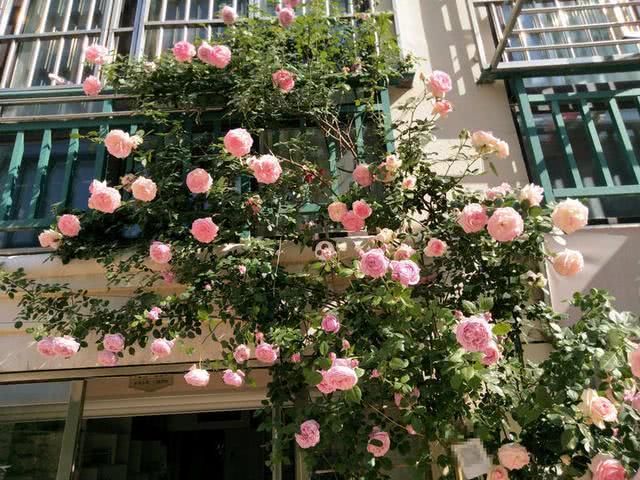
When we grow roses, a problem like this tends to appear. The roses tend to bloom smaller and smaller, and many people think this is due to a lack of fertilizer, but that is not actually the case. If your roses show this problem, perhaps you should solve it this way.
Let us still analyze the causes, because only by understanding the causes can this situation be improved.
Cause analysis:
This is a fairly common phenomenon, especially in high-temperature regions. When the hot and rainy season arrives, most varieties are in a semi-dormant state, the newly emerging branches are numerous, thin and weak, and uneven, and the blooming is even less ideal. In addition, nutrient deficiency, soil compaction and so on can all cause roses to bloom smaller and smaller.
As for the solutions, the following methods may improve it. If anything is incomplete, please leave a message.
Solve environmental problems
Create a good suitable growing environment for them. Potted plants should be placed in a position that is both ventilated and receives more than half a day of sunlight, with no less than 7 hours of light per day, as this is good for the roses' photosynthesis. Control watering well, and it is best to water thoroughly after the soil dries out. In spring, summer and autumn, water before 10 a.m. or after 6 p.m. each day, and maintain the relative humidity most favorable to them at 75% to 80%; use a granular-structured soil rich in organic matter, loose, fertile and well aerated, from slightly acidic to slightly alkaline, as the growing medium, and avoid soil that holds water, is compacted or contains too much calcareous material.
Pay attention to disease prevention
Prevent diseases and control pests in time. The main pests of roses include aphids, red spiders, scale insects, inchworms, rose sawflies, scarab beetles and so on, and pesticides should be selected in a targeted way for spraying and control; the main diseases include powdery mildew, black spot and so on, and prevention should be the priority, with prevention and control combined, treating early, treating small and treating thoroughly, so as to avoid causing greater harm to the rose plants.
Pay attention to fertilizing, come to this material
Pay attention to fertilizing potted roses, and add a sufficient amount of decomposed organic fertilizer to the potting soil. Apply topdressing frequently, and usually add a small amount of fertilizer when watering, such as already fermented cake fertilizer liquid, fishy water, poultry manure, bone meal and so on, using them in rotation. Generally, before flower buds appear, apply once every 7 days; after flowering, apply once every 10 days, and generally do not fertilize during the flowering period. In early spring, when new leaves sprout and the new shoots are still red, this is exactly the time of vigorous new root growth, so topdressing is not suitable, and concentrated fertilizer is even more to be avoided.
After doing this, the roses can be significantly improved, and the next time they bloom they will get bigger and bigger. If you want rose flowers bigger than a face, that is also an easy thing!