After ten years of growing an elm bonsai, I could hardly recognize the trunk after pruning.
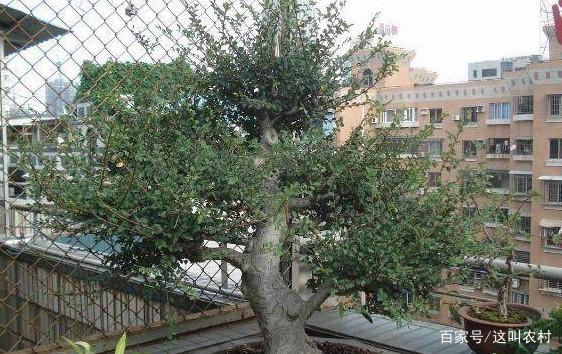
This elm stump was bought at the stump market in 1997, and it had only two bends. From the trunk to the top of the node, a total of seven sections can be counted. Pruning the branches and leaves, I still feel amazed. After ten years of pruning on the elm stump, it is indeed impossible to recognize it.
During the development process, the elm needs to be pruned to promote healthy growth of the tree and a reasonable distribution of branches, so as to better beautify the situation. In practice, it is necessary to combine growing-season pruning with dormant-season pruning. Modeling time is not only the dormant period after leaf drop, but also the growing season, though it must be avoided during the bud-break period. Only in this way can the desired final shape be achieved.
This is a major reason many people fail, new stumps, this is a major reason many people fail. The best viewing period for an elm bonsai is when the new leaves have just emerged. They should be pruned during the growing season. When new branches grow to 4-6 cm, they cut off the long branches and the short, messy branches, maintaining the beauty of the tree.
Elm, especially old stumps from the wild, after experiencing a long natural baptism, will become different, intricate, and full of the marks of time. Even so, we can use these characteristics to make bonsai. As long as we carefully cultivate and work on it, it can be transformed from the rotten into the marvelous, and the creation of a bonsai will not be new.