Grow this at home: in a small pot, the harvest is so heavy it breaks the branches, and it is both tasty and beautiful.
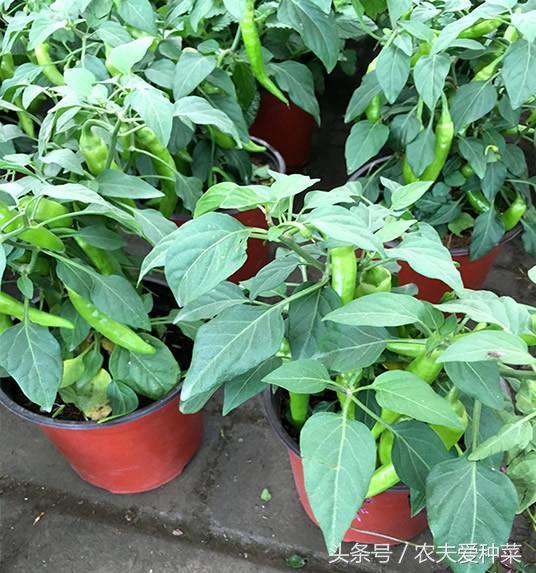
When we grow vegetables in pots, chili peppers are a favorite for many gardeners. One advantage of growing them is that in our small balcony space, just a tiny flower pot is enough to grow them. They are edible and attractive, and they produce quite a lot.
Chili peppers are rich in many vitamins and trace elements. Whether we use them in cooking or as a seasoning, they are an essential vegetable. Planting a few more pots on the balcony can basically meet our daily needs.
A few key points for growing chili peppers in pots:
1. Choosing the variety and the flower pot
There are many varieties of chili peppers. We should choose varieties that are suitable for pot cultivation and high-yielding. Generally speaking, goat horn pepper, facing heaven pepper, five-color pepper, millet pepper, and others are more suitable.
For potted chili peppers, a small pot under 20 cm can also work, and 1 plant can be grown in the pot, with each plant bearing about 15 peppers. Choosing a larger pot with a diameter of more than 30 cm is better, and 2-3 chili pepper plants can be grown in the pot, with about 45 chili peppers harvested per pot.
2. Soil and temperature
For potted chili peppers, ordinary garden soil is generally fine, but loose, well-drained, and fertile humus soil is better. Coconut coir and peat can also be mixed into the pot. The suitable growing temperature for potted chili peppers is 20-30 degrees. Above 35, the leaves are prone to scorching, so attention should be paid to shading.
3. Water and fertilizer management
Potted chili peppers also need sufficient fertilizer and water. When planting, decomposed cake fertilizer or manure fertilizer can be added to the pot as a base fertilizer. Enough fertilizer can make chili peppers high-yielding. After that, topdressing can be done 2 times a month. Organic liquid fertilizer or decomposed organic fertilizer are both fine. Apply light fertilizer frequently.
4. Daily care
Potted chili peppers are not strict about light, but insufficient light will lead to fewer and slower fruiting, so appropriate light is still necessary. Chili peppers are also relatively drought-tolerant. Usually, never let water accumulate in the flower pot. In addition, during the fruiting period of chili peppers, the water requirement is greater. The last thing is pruning: remove diseased branches and old branches. After repeated pruning, they can have a nice shape, and the yield of chili peppers can also increase.
It does not matter if the balcony is not big. We can still grow some vegetables in pots that do not take up much space and have a decent yield. Plant a few more pots, and the whole family will have enough to eat for several meals.